Author: Site Editor Publish Time: 2025-12-30 Origin: Site
Have you ever wondered if a drone is spying on you? With drones becoming more common, it’s important to know how to detect them.
This article will explore the various signs that indicate a drone might be watching you. We’ll also cover advanced technologies, like Anti-UAV systems, to help identify and neutralize the threat.
In this guide, you’ll learn how to spot drones and what steps to take if you suspect you're being surveilled.
Drones used for surveillance often have distinct signs that indicate their presence. If you notice any of the following signs, it's worth investigating further to ensure your privacy is protected.
Drones often produce distinct buzzing or humming noises when flying, especially small consumer models. This noise comes from the drone’s propellers spinning at high speeds. While some drones are quieter than others, a constant buzzing or low hum can be a telltale sign of a drone’s presence.
To distinguish if the sound is coming from a drone or other sources, pay attention to its pitch and proximity. Drones will create a steady and mechanical hum, often unlike the noises made by birds or small aircraft. If you hear a consistent noise from a source high above but can’t see any obvious aircraft or helicopters, it’s more likely to be a drone.
Drones often display flashing lights or visible movements when they are in flight. Many drones are equipped with LED lights that help operators keep track of their position, especially during night flights. These lights may blink or pulse, often in a pattern that’s different from common aircraft.
To spot a drone, look for sudden movements or hovering in the air. Drones typically move in a more erratic manner compared to traditional aircraft, and they may hover in one spot for extended periods. Another visual clue is the shadow cast by a drone, especially on sunny days. A small, fast-moving shadow on the ground could indicate a drone overhead.
One of the clearest signs that a drone may be spying on you is its behavior. Drones used for surveillance tend to hover in one spot or fly in loops over a specific area. If you notice a drone circling or staying in one location for a prolonged period, it could be monitoring your movements.
Another sign is if a drone's presence becomes too frequent and purposeful. If a drone consistently reappears in your vicinity or shows a pattern of behavior, it may be an indication that it's tracking you or monitoring a specific area for extended periods.
As drones become more common, detecting them requires more than just visual observation. Advanced detection technologies, such as Drone Detection Radar, thermal imaging, and acoustic sensors, provide effective ways to monitor and track drones, especially when they are used for unauthorized surveillance.
Detection Method | Description | Pros | Cons |
Drone Detection Radar | Uses radio signals to detect UAVs in the airspace | Can detect drones at long ranges, high accuracy | Limited by environmental interference |
Thermal Imaging Cameras | Detects heat signatures from drones | Ideal for night detection, tracks drone movement | May miss smaller or faster drones |
Acoustic Sensors | Detects noise signatures from drone propellers | Real-time detection, good for close-range detection | Performance may drop in noisy environments |
Radar systems designed to detect drones focus on the radio signals emitted by UAVs. These systems can identify a drone's position by detecting the frequencies it uses to communicate with its operator. Drone Detection Radar typically works by scanning airspace for small, moving objects that reflect radio waves. When a drone is detected, the radar system provides real-time data about its location, speed, and direction.
There are different types of radar systems used for drone detection, ranging from short-range systems designed for close-area surveillance to long-range systems capable of detecting drones from several miles away. These radar systems can differentiate between drones and other flying objects, such as birds or airplanes, by their unique signal patterns. With precise detection capabilities, these radars are crucial for both security and privacy protection.
Thermal imaging and infrared cameras are powerful tools for spotting drones, especially in low-light or night-time conditions. These cameras detect heat signatures emitted by objects, making them ideal for identifying drones even when they are not visible to the naked eye. Drones generate heat from their motors and battery systems, which can be captured by thermal imaging systems.
By tracking the heat signature of a drone, operators can follow its movement across an area, even in complete darkness. These cameras are particularly useful for identifying drones flying at higher altitudes or in dense areas where visual detection might be challenging. Thermal imaging systems are also capable of distinguishing drones from other heat sources, such as animals or vehicles.
Acoustic sensors use microphones and specialized detection algorithms to identify the unique noise signature of drones. As drones have distinct sounds due to their propellers and motors, acoustic sensors can pick up these noises and compare them against known drone sound patterns. These systems are effective for detecting drones that are close to the ground and not visible through traditional means.
In real-time, acoustic sensor systems can quickly alert security personnel to drone activity, even in environments where visual detection is difficult. The system can detect a drone's position based on the direction of the sound, helping to triangulate its location. While acoustic sensors may have limitations in noisy environments, they can provide an additional layer of protection when combined with other detection methods.
When you detect a drone spying on you, it’s essential to take immediate action. There are several countermeasures available to neutralize or mitigate the threat posed by unauthorized drones.
Countermeasure | Description | Effectiveness | Example Systems |
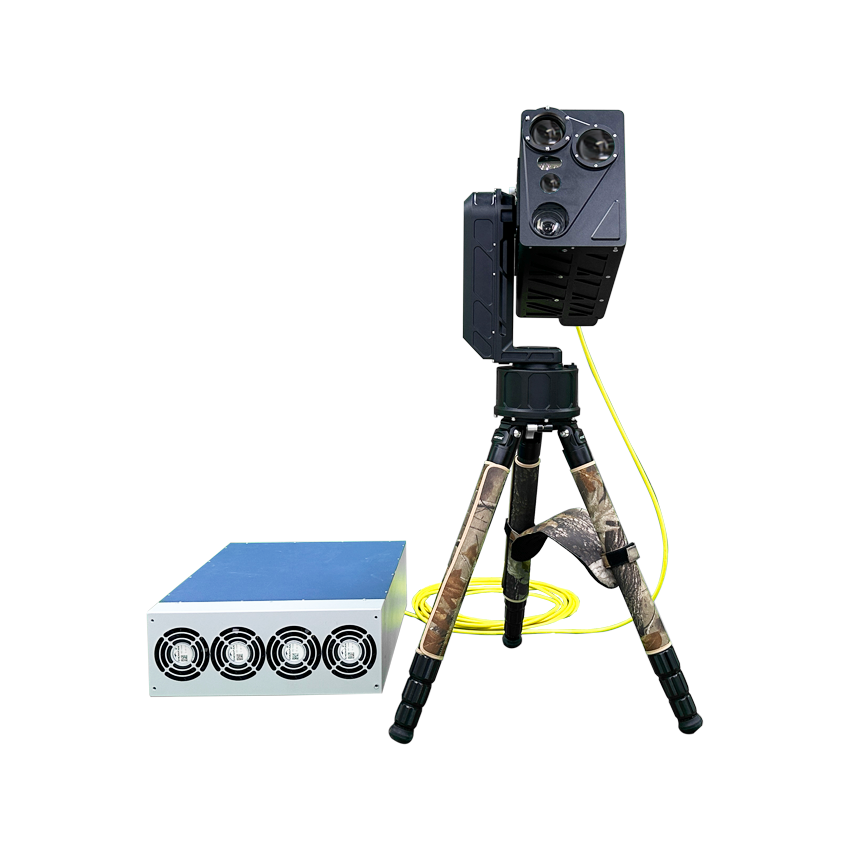
Laser Anti-Drone Systems | High-powered lasers that disable drones by targeting key components | Highly effective at disabling drones without causing debris | Ryan Optics Technology Co., Ltd. offers advanced laser systems |
Jammers | Disrupts the drone's communication link, causing it to lose control | Effective for disorienting drones, causing them to return to base | Various commercial and military jammers |
Nets | Physical systems to capture and immobilize drones | Non-destructive, captures drones safely | Used for medium to low-threat scenarios |
Anti-UAV systems are designed to detect and neutralize drones that pose a threat to privacy and security. These systems work by using various methods to disable or capture drones without causing significant harm to the surrounding area. Laser Anti-Drone Systems are a highly effective solution, where lasers target and disable drones by overheating and damaging key components such as motors or sensors. This precise approach ensures that the drone is neutralized without creating debris or collateral damage.
Other methods of countering drones include jammers, which disrupt the communication between a drone and its operator, causing the drone to lose control and either crash or return to its base. Nets can also be deployed to physically capture drones, rendering them inoperable. These countermeasures are ideal for security personnel or private property owners looking to protect their space from unauthorized drone surveillance.
If you detect a drone in restricted airspace or flying suspiciously near sensitive areas, it's important to report the sighting to the appropriate authorities. Many countries have regulations prohibiting drones from flying in certain zones, such as near airports, military facilities, or private properties. Reporting the drone to local law enforcement or aviation authorities will prompt an investigation into the drone's activities.
Authorities can respond by deploying Drone Detection and Tracking Cameras to identify the drone's flight path and track its operator. These cameras work in conjunction with other detection systems, such as radar or thermal imaging, to provide real-time data on the drone's location. Depending on the threat, authorities may deploy countermeasures such as jamming or using specialized drone capture systems to stop the drone and investigate further.
By using Anti-UAV technology and involving the authorities, you can effectively neutralize drone threats and ensure the safety and privacy of your space.
Drones are becoming more common for surveillance, raising privacy concerns. This article covered how to detect a drone spying on you using various techniques, including sound, visual indicators, and advanced detection systems like Drone Detection Radar. In addition, Anti-UAV technology such as Laser Anti-Drone Systems can neutralize threats effectively. Companies like Ryan Optics Technology Co., Ltd. offer advanced solutions that help detect and eliminate drones, ensuring enhanced security and privacy protection.
A: To detect a drone, listen for distinct buzzing sounds, look for flashing lights, or track unusual hovering. Anti-UAV technology like Drone Detection Radar can also help identify and track drones.
A: An Anti-UAV system is designed to detect and neutralize drones. It includes tools like Laser Anti-Drone Systems and jammers that disable or capture drones without causing harm to the surrounding area.
A: Drone Detection Radar works by detecting the unique radio signals emitted by drones. These systems scan the airspace, providing real-time data on drone location, speed, and movement.
A: Yes, Drone Detection and Tracking Cameras, especially those with thermal or infrared capabilities, can detect drones by their heat signature, making them ideal for nighttime surveillance.
A: You should report the drone to local authorities. If necessary, deploy Anti-UAV countermeasures like Laser Anti-Drone Systems to neutralize the threat.