Author: Site Editor Publish Time: 2026-04-02 Origin: Site
They are too vast, too complex, and too unpredictable for traditional surveillance systems.
Thermal imaging radar addresses this challenge by providing continuous, wide-area, and intelligent monitoring—regardless of lighting or weather conditions.
Border regions often involve:
Long distances
Harsh environments
Limited infrastructure
360° monitoring with minimal equipment
Long-range human and vehicle detection
Reliable performance in darkness and fog
Reduced need for physical patrols
Result:
Improved situational awareness with lower operational cost.
Drones present a growing threat due to:
Small size
Low flight altitude
Irregular movement
Detect thermal signatures of UAVs
Track flight paths in real time
Provide early warning alerts
Integrate with counter-drone systems
Why it matters:
Passive detection ensures the system cannot be easily identified or avoided.

Facilities such as:
Oil & gas fields
Power plants
Industrial zones
require 24/7 uninterrupted security.
No blind spots in large perimeters
Early intrusion detection
Reduced false alarms compared to motion sensors
Reliable in extreme weather conditions
Thermal imaging radar is highly effective in maritime environments:
Detect vessels at long range
Monitor coastal borders
Operate in fog and high humidity
As cities become smarter, surveillance systems must:
Cover larger areas
Reduce manpower
Provide real-time analytics
Thermal imaging radar enables:
Automated threat detection
Centralized monitoring
Scalable deployment
Thermal imaging radar can be integrated with:
PTZ cameras (auto tracking)
Command & control systems
AI analytics platforms
Alarm and response systems
This creates a fully intelligent security ecosystem.
Across all these applications, one factor stands out:
Stealth
Because the system emits no signals:
It cannot be detected
It cannot be easily jammed
It remains operational in sensitive environments
With the rise of:
Autonomous threats (drones)
Remote infrastructure
Smart security systems
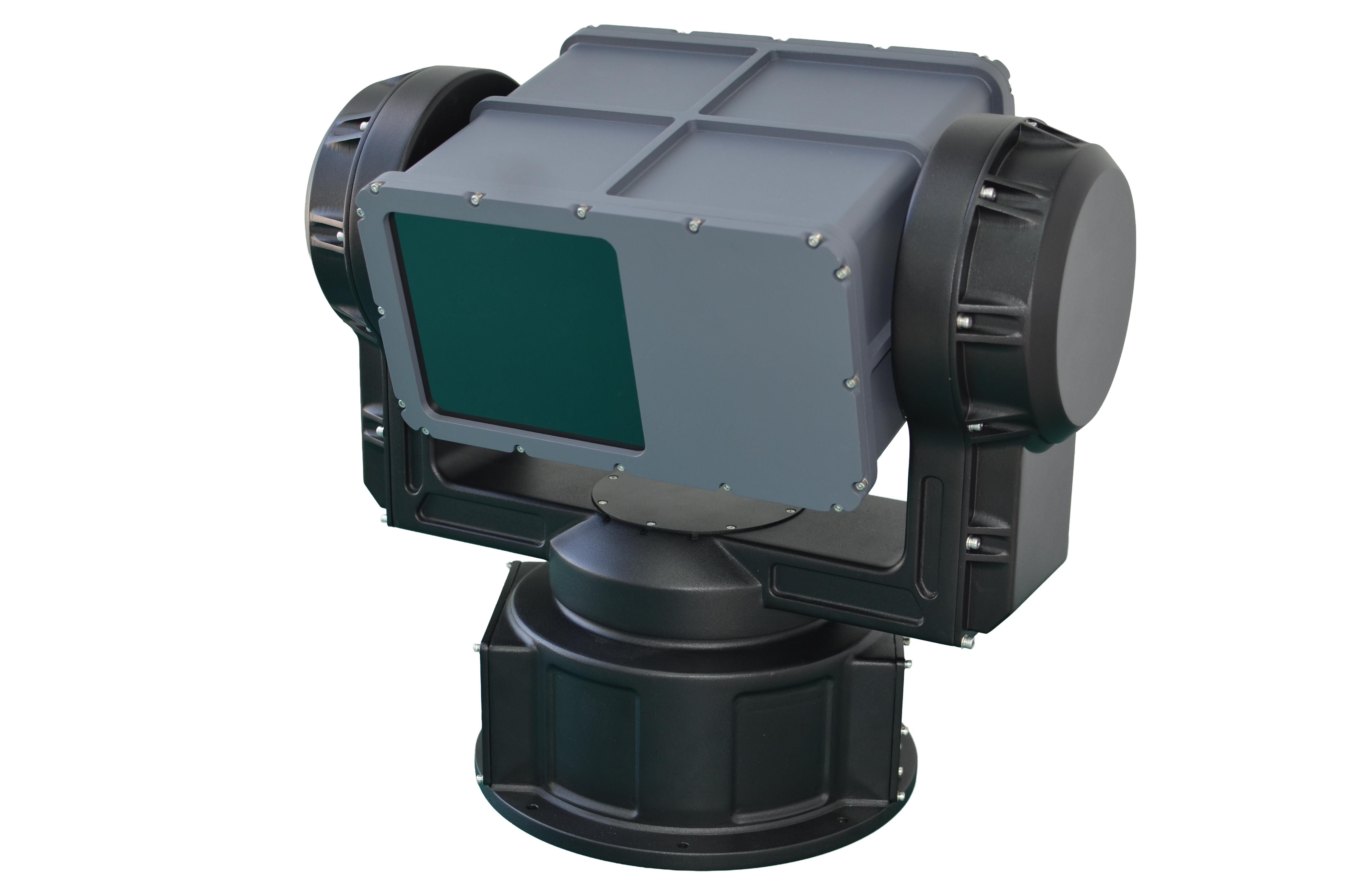
Thermal imaging radar is becoming a core component of next-generation surveillance architecture.
From border control to anti-drone defense, thermal imaging radar provides:
Wider coverage
Higher reliability
Lower operational risk
It is no longer a niche technology—it is becoming a standard for advanced security systems worldwide.