Author: Site Editor Publish Time: 2025-12-18 Origin: Site
Is there a reliable way to detect drones in real-time? With the rise in drone usage, the need for effective Anti-UAV systems is greater than ever. In this article, we’ll explore how radar technology is being used to detect drones and why it's an essential tool in countering UAV threats. You will learn about the capabilities of Drone Detection Radar (DDR) and its applications in protecting sensitive areas.
Drone Detection Radar (DDR) is a specialized radar system designed to detect and track Unmanned Aerial Vehicles (UAVs) or drones. Unlike conventional radar systems used for aircraft detection, DDR is specifically tuned to detect smaller and faster-moving drones that may be difficult to track with traditional methods. These radar systems are crucial for identifying UAVs in various environments, ensuring the safety and security of areas vulnerable to unauthorized drone activity.
Radar works by emitting radio waves that bounce off objects in the environment, detecting their location, size, speed, and movement patterns. Drone Detection Radar operates on the same principle but is optimized for detecting UAVs. The radar emits signals that reflect off the drone’s surface, and by measuring the time it takes for the signal to return, the system can pinpoint the drone’s position and track its movements.
The system’s sensors are calibrated to detect the unique size, shape, and speed of drones. Unlike larger aircraft, drones often fly at lower altitudes, making it easier for radar to pick up their presence. Advanced radar systems can distinguish between drones and other flying objects, such as birds, by analyzing the specific movement patterns and behavior of the UAVs.
There are two main types of Drone Detection Radar: fixed and mobile systems. Fixed systems are stationary installations, typically used for long-term monitoring of critical areas like airports, military bases, or power plants. These systems provide continuous surveillance and can be integrated into existing security infrastructure.
Mobile radar systems, on the other hand, are portable and designed for temporary or field operations. These systems are highly adaptable and can be set up at various locations, such as outdoor events or military operations, providing on-the-spot drone detection and neutralization capabilities.
Several radar technologies are used to detect UAVs, each with specific features and advantages:
● Pulse Doppler Radar: Often used for detecting moving objects, pulse Doppler radar can identify drones by measuring the Doppler shift caused by the drone’s movement.
● Continuous Wave Radar: This radar type provides more detailed data on the drone's velocity and trajectory, useful for tracking its speed and direction.
● Phased Array Radar: Phased array radar is capable of quickly scanning large areas and providing real-time tracking of fast-moving drones, ideal for high-security environments.
By combining these radar technologies, Anti-UAV systems can ensure comprehensive detection and tracking, allowing operators to effectively monitor and protect sensitive areas.
Drone Detection Radar (DDR) offers several advantages over other detection technologies, making it an essential tool in countering drone threats. Unlike traditional cameras or infrared systems, radar systems provide continuous surveillance, unaffected by weather conditions, lighting, or obstructions. This makes radar a versatile solution in environments where drones may pose significant security risks.
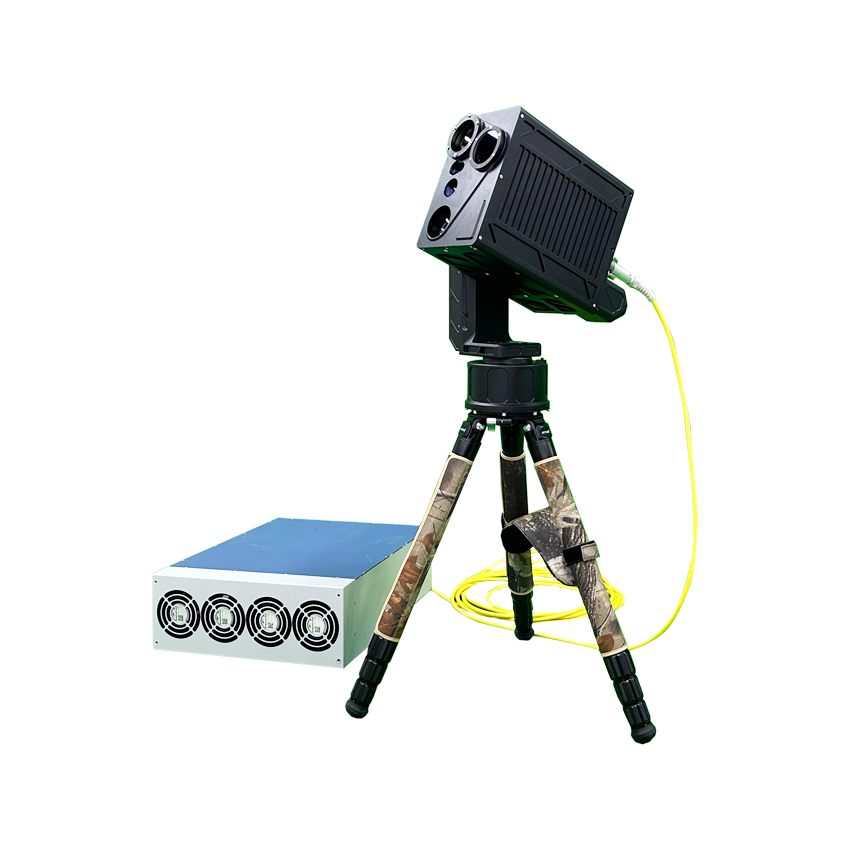
Radar systems can detect drones at much greater distances than most optical or thermal systems, providing early warnings and more time to respond. They are not hindered by the drone's size or speed, enabling them to identify both small consumer drones and larger industrial UAVs. Moreover, radar systems are often integrated with other technologies, such as jammers or laser-based neutralization systems, offering a comprehensive solution to neutralize UAVs effectively.
Radar’s ability to operate in various environments, from military bases to airports and critical infrastructure, ensures that areas with high security or sensitive operations remain protected from drone threats. Its capacity to monitor large areas in real time, even under challenging environmental conditions, makes it an indispensable component of modern security frameworks.
Technology |
Detection Range |
Advantages |
Limitations |
Best Used For |
Drone Detection Radar |
Long-range |
High accuracy, real-time detection |
Limited by environmental factors, radar clutter |
Large-scale sites, airports, military |
Cameras & Sensors |
Medium-range |
Visual identification, thermal and infrared |
Limited range, environmental dependence |
Urban environments, critical infrastructure |
Jammers |
Short-range |
Non-lethal, effective against signal-based drones |
Limited range, effectiveness reduced by encryption |
Temporary drone interference |
Laser Anti-Drone Systems |
Long-range |
Precision targeting, minimal collateral damage |
High energy demand, expensive |
Military zones, high-security facilities |
Drone Detection Radar excels in long-range detection, allowing it to monitor expansive areas and detect drones from miles away. Unlike infrared or visual systems, which may only detect drones at short distances, radar can pick up UAVs far in advance, even before they enter the perimeter of the monitored area.
This long-range capability is particularly crucial in environments like airports and military sites, where early detection of approaching drones is essential to prevent potential threats or disruptions. Radar’s ability to track drones at greater distances allows security teams to assess and neutralize threats well before they reach sensitive areas.
One of the key benefits of using Drone Detection Radar is its real-time detection capability. Radar systems continuously scan the environment, providing live updates on the location and movement of drones. This real-time detection is critical for immediate response, as it enables security teams to react swiftly to any unauthorized drone activity.
For airports, military installations, and critical infrastructure, where a timely response is vital, radar's ability to deliver instant information about drone movements ensures that countermeasures can be deployed as soon as a threat is identified. Whether it’s triggering a laser neutralization system or initiating a jamming sequence, real-time detection allows for proactive, effective defense against drone threats.
Drone Detection Radar (DDR) is just one part of the broader spectrum of Anti-UAV technologies. Other technologies such as cameras, jammers, and laser systems each offer their own strengths and weaknesses when it comes to detecting and neutralizing UAVs. While radar is a powerful tool, it’s important to understand how it stacks up against these alternatives.
Drone Detection Radar offers several advantages over other Anti-UAV technologies, particularly in its ability to detect drones over long distances and in various weather conditions. Unlike cameras or infrared sensors, radar works independently of lighting conditions, making it effective both day and night, and it is unaffected by environmental factors like fog or rain. This makes radar a non-invasive solution for comprehensive surveillance.
While jammers disrupt communication between drones and their operators, they have limited range and may not affect drones that operate autonomously. Radar, on the other hand, continuously tracks UAV movements without disrupting other systems. Furthermore, radar can detect drones at a greater distance, providing security personnel with more time to respond to potential threats.
Laser systems, while effective in neutralizing drones, require a clear line of sight and can only engage a limited number of drones at a time. Radar, by contrast, covers a larger area and can detect multiple UAVs simultaneously, making it more versatile in high-risk areas.
Radar also doesn’t require direct engagement with the drone, which makes it a safer option, especially in civilian environments where collateral damage is a concern.
Despite its advantages, Drone Detection Radar does have some limitations. One of the main challenges is the occurrence of false positives. Radar systems can sometimes detect objects that are not drones, such as birds or other flying objects, especially if they are similar in size or movement patterns. This issue can be mitigated with advanced filtering algorithms, but it remains a concern in certain environments.
Environmental interference is another limitation. For example, dense urban settings or areas with lots of electronic interference can affect radar accuracy. High-rise buildings, large structures, and other obstructions can also block radar signals, making it harder to track drones effectively in such environments.
Furthermore, radar systems may struggle to detect very small or low-flying drones, especially when they are flying below radar's typical detection altitude. In such cases, integration with other detection technologies, like thermal cameras or acoustic sensors, may be necessary to improve the radar’s effectiveness.
Despite these limitations, radar remains a highly valuable tool for the detection and tracking of drones, especially when integrated with other Anti-UAV technologies to create a more robust defense system.
Drone Detection Radar (DDR) has a broad range of applications across various sectors. Its ability to detect, track, and provide actionable data on UAVs makes it essential for maintaining security in sensitive environments. DDR systems are deployed in airports, military bases, government buildings, and private sector operations, each serving a distinct purpose in ensuring the safety of people, assets, and infrastructure.
Sector |
Application |
Benefits |
Airports |
Securing flight paths, preventing drone intrusions |
Enhances flight safety, prevents flight delays |
Military |
Protecting military bases and airfields from drone threats |
Safeguards sensitive military infrastructure |
Government Buildings |
Monitoring surrounding airspace for drone threats |
Ensures national security, prevents espionage |
Private Sector |
Safeguarding private properties, large outdoor facilities |
Protects assets from surveillance and potential harm |
Airports are high-risk areas for drone intrusions, which can disrupt air traffic and pose safety hazards to aircraft. Drone Detection Radar plays a crucial role in securing the airspace by providing early detection of drones approaching airport perimeters. DDR systems are strategically placed around airports to monitor the airspace for unauthorized UAVs and provide real-time alerts to security teams.
The radar's ability to detect drones from a distance allows airport security personnel to assess and neutralize the threat before it interferes with flight operations. By integrating radar systems with other technologies like cameras and jammers, airports can ensure comprehensive protection for flight paths, terminals, and air traffic control towers. This proactive approach helps prevent dangerous drone activity, such as unauthorized surveillance or potential drone-based attacks, making airports safer for passengers and crew.
Drone Detection Radar is also a critical asset for military and defense organizations tasked with safeguarding sensitive installations, national security, and military assets. DDR systems are deployed in defense environments to monitor airspace, detect potential adversarial drones, and secure military bases, airfields, and border areas from unwanted UAV incursions.
The military uses DDR for real-time monitoring of drone activity, allowing them to respond quickly to threats. In military zones, where drone-based reconnaissance and surveillance are often used, DDR systems help to identify unauthorized UAVs in advance, enabling forces to take appropriate action. Additionally, DDR can assist in providing situational awareness during combat operations, offering a comprehensive understanding of the airspace and potential drone-related threats.
By providing consistent surveillance capabilities, DDR systems ensure that military personnel can protect critical infrastructure, communication networks, and high-value assets from drone-based attacks or espionage. Integrating DDR with other Anti-UAV technologies, such as laser systems and jammers, offers a layered defense strategy for military operations.
As drone threats continue to evolve, so too must the technologies designed to detect and neutralize them. The future of Drone Detection Radar (DDR) and Anti-UAV technologies lies in their ongoing development and integration. Innovations in AI, machine learning, and radar technology are enhancing detection capabilities and ensuring that radar systems remain effective in increasingly complex operational environments. The integration of DDR with other anti-UAV technologies will create a multi-layered defense strategy for protecting critical infrastructure and airspace.
Recent advances in radar technology are improving the accuracy and range of Drone Detection Radar systems. Enhanced radar capabilities allow for detecting smaller, faster-moving UAVs from greater distances, providing security teams more time to respond. The integration of advanced signal processing algorithms enables DDR systems to distinguish between drones and other objects, reducing false positives and improving the system’s overall reliability.
Furthermore, improvements in radar resolution and signal clarity make it possible to track drones in real-time with high precision, even in cluttered or high-interference environments. These innovations are crucial for ensuring DDR systems can effectively operate in urban areas, airports, and other complex environments where traditional radar systems may struggle.
With the constant evolution of radar technology, future DDR systems will be able to offer more refined detection at longer ranges and with enhanced accuracy. This will lead to faster, more effective responses to UAV threats, allowing for better protection of assets and people.
The future of DDR systems will also involve deeper integration with other Anti-UAV technologies. For example, combining radar with jammers, lasers, and drone detection cameras will provide a comprehensive defense mechanism against UAVs. When DDR systems detect a drone, they can trigger countermeasures like jamming to disrupt the drone’s communication or laser systems to disable it.
This synergy between different systems will ensure that UAV threats are not only detected early but also neutralized swiftly and efficiently. Integration will allow for a layered approach to airspace defense, enabling security forces to handle a wider range of threats and enhance operational flexibility.
Note: Organizations should look to future-proof their security measures by considering integrated Anti-UAV systems that combine the strengths of Drone Detection Radar with jammers, lasers, and other detection tools.
Radar systems have become crucial in detecting drones, especially with the rise in UAV threats. Anti-UAV systems using Drone Detection Radar (DDR) can identify, track, and neutralize drones effectively. As drone risks continue to rise, companies like Ryan Optics Technology Co., Ltd. provide cutting-edge solutions to enhance security and protect critical infrastructure from UAV threats.
A: Drone Detection Radar (DDR) is a technology used to detect and track UAVs in real-time, essential for identifying potential threats in sensitive areas.
A: Anti-UAV systems use technologies like Drone Detection Radar, cameras, and sensors to detect and track drones, ensuring a quick and effective response.
A: DDR provides long-range, real-time detection of drones, enhancing security at airports, military sites, and critical infrastructure by identifying potential threats early.
A: Anti-UAV systems use various methods, such as jamming, laser systems, or physical takedown technologies, to neutralize drones once detected by Radar or cameras.
A: Yes, Drone Detection Radar can be adapted for urban settings, though environmental factors like buildings and electronic interference may affect its performance.