With the rise in drone usage, the need for effective countermeasures has never been more critical. How can we protect sensitive areas from unauthorized UAVs? In this article, we explore the role of Anti-UAV systems,their importance, and how they work to secure airspace. You will learn about different types of Anti-UAV technologies and their applications in both civilian and military environments.
Anti-UAV systems are designed to detect, track, and neutralize unauthorized drones. As drone use increases, their potential for misuse in terrorism and surveillance grows. These systems combine detection, tracking, and neutralization technologies to protect areas from drone threats. Unlike traditional security systems, Anti-UAV systems are tailored to handle drones' unique challenges, such as size, speed, and autonomy.
Traditional security systems like fences, surveillance cameras, and motion detectors are primarily designed to protect against human intrusion. However, drones present a unique challenge because they can bypass many conventional security measures. Drones are capable of flying above fences, avoiding cameras, and reaching locations that may be difficult to monitor.
In contrast, anti-UAV systems are specifically designed to detect airborne threats and offer several advantages over traditional security measures:
● Real-Time Detection: Anti-UAV systems use specialized sensors, including Drone Detection Radar and Drone Detection and Tracking Cameras, to identify drones in real-time, unlike conventional surveillance cameras that may not be optimized for tracking fast-moving aerial objects.
● Neutralization Capabilities: Anti-UAV systems include countermeasures like Laser Anti-Drone Systems and jamming equipment that can disable or intercept drones. These systems can provide a proactive response, while traditional systems primarily serve as deterrents or alarms.
By integrating counter drone technology, these systems are more effective in high-security areas such as airports, military installations, and critical infrastructure facilities where traditional methods may fall short.
As drone technology evolves, so does the threat they pose to critical infrastructures such as airports, power plants, and government buildings. Unauthorized drones can be used for spying, smuggling, or even carrying out attacks. Anti-UAV systems are essential for defending against these threats, especially as the number of drones in the air continues to rise.
● Airports: Drones flying into airport airspace can cause dangerous disruptions. Anti-UAV systems can prevent drones from entering sensitive areas, ensuring flight safety.
● Military Bases: Drones can be used for reconnaissance or surveillance, posing significant risks to national security. Anti-UAV systems are crucial for protecting military assets.
● Power Plants: Critical infrastructure like power plants needs protection from drone-based sabotage. Anti-UAV systems help ensure these facilities remain safe from aerial threats.
By deploying counter drone technologies, organizations can reduce the risks posed by drones, protecting both human lives and valuable assets. These systems offer round-the-clock protection and can be integrated with existing security infrastructure to ensure comprehensive security coverage.
Drone Detection Radar and Drone Detection and Tracking Cameras work together to provide a robust detection network. Radar systems detect drones at long ranges and provide information on the drone’s size, speed, and direction. Meanwhile, cameras with tracking capabilities visually track the drone’s movement in real-time, allowing security teams to respond effectively.
Once a drone is detected, Anti-UAV systems often use Laser Anti-Drone Systems to disable the drone’s flight systems, either by targeting its control system or using non-lethal methods to force it to land or return to its operator. This coordinated approach of detection, tracking, and neutralization provides a comprehensive solution to UAV threats.
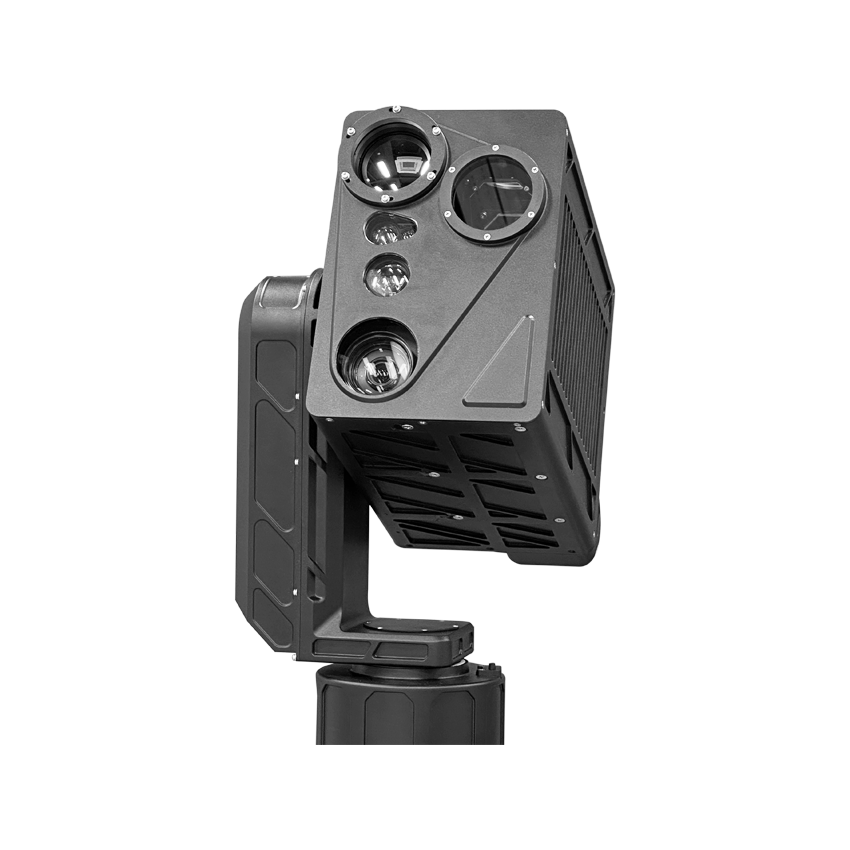
Electronic warfare systems are designed to counter UAVs by disrupting their communication signals, GPS navigation, or control systems. These systems typically use jamming and signal disruption techniques to interfere with the drone’s ability to communicate with its operator or navigate autonomously.
Jamming and Signal Disruption Techniques: Jammers send out signals that interfere with the UAV's communication, rendering it useless or causing it to return to its starting point. These systems often operate on specific frequencies used by drones to control their movement.
Pros and Cons of Electronic Countermeasures: One significant advantage of electronic warfare systems is that they allow for non-lethal interventions, which can minimize collateral damage. However, their range may be limited, and their effectiveness can be reduced by drones using encrypted or advanced communication methods.
Examples of Electronic Warfare Systems: Some examples include the DroneShield and Raytheon’s Coyote UAV Countermeasure System, which use sophisticated jamming techniques to incapacitate drones in sensitive areas such as airports and military zones.
Anti-UAV System Type | Description | Advantages | Applications |
Electronic Warfare Systems | Jamming and signal disruption to disable UAVs | Effective in disrupting communication links | Military, high-risk facilities |
Physical Interception Systems | Methods like nets or projectiles to physically stop UAVs | Provides a direct and visible neutralization method | Urban environments, event security |
Laser Anti-Drone Systems | Laser technology used to disable drones at a distance | Precision and minimal collateral damage | Military, airports, border security |
Physical interception systems involve direct, often kinetic methods, to neutralize or disable a UAV. These systems are designed to physically intercept drones mid-air or bring them down safely without causing harm to the environment.
Kinetic Methods Like Nets or Projectiles: Some systems use nets or projectiles launched at drones to entangle them or disable their motors. These methods are effective in confined areas or lower-altitude drones but have limited range and may require precise targeting.
Laser-Based Systems for Disabling Drones: Laser systems, such as those used by Lockheed Martin’s ATHENA, target a drone’s key components, such as its camera or propulsion system, to disable it. These systems are effective in precise and controlled settings but may face challenges in fast-moving or highly agile drones.
Challenges of Using Physical Interception in Urban Environments: Physical interception methods can be challenging in urban environments, where dense infrastructure and high population density limit the space for safely intercepting drones. Additionally, laser-based systems may pose risks to surrounding areas if not correctly deployed.
Detection and tracking systems play a vital role in identifying and monitoring drones. These systems work to detect UAVs from long ranges and track their movements in real-time, ensuring that security teams can respond promptly.
Drone Detection Radar and Its Role in Tracking UAVs: Drone Detection Radar systems scan large areas and detect drone activity, including their size, speed, and location. These systems are crucial for providing early warning and allowing operators to act quickly.
Use of Cameras and Other Sensors for Detection and Tracking: Cameras and sensors, such as thermal and infrared imaging, are used to enhance detection capabilities. These systems can identify drones based on heat signatures or movement patterns, offering improved accuracy and tracking precision.
Advantages of Real-Time Tracking in Operational Environments: Real-time tracking systems help security teams understand the drone’s trajectory and behavior, enabling them to make informed decisions about countermeasures. These systems are essential for operations that require continuous monitoring, such as at airports, military bases, or large-scale public events.
Anti-UAV systems begin by detecting and identifying potential drone threats. Several technologies are employed to perform this crucial first step:
● How Radar, Cameras, and Sensors Detect UAVs: Radar systems emit radio waves that bounce off objects in the environment, detecting drones by measuring their size, speed, and movement patterns. Cameras (including thermal and infrared) capture visual data of drones, enabling identification through visual signatures, such as heat from motors. Sensors such as acoustic detectors capture the sound of drone motors, providing an additional layer of detection capability.
● The Role of AI and Machine Learning in Identifying and Classifying Threats: Artificial Intelligence (AI) and machine learning play a pivotal role in processing large volumes of data quickly. These technologies analyze radar, camera, and sensor data to classify and identify objects, distinguishing drones from other flying objects. With AI, systems can learn and adapt, improving threat detection accuracy over time.
Detection Method | Technology Used | Range | Benefits | Limitations |
Drone Detection Radar | Radar systems to detect UAVs at a distance | Long-range | High accuracy in detecting UAVs in real-time | Limited in distinguishing between drones and birds |
Drone Detection and Tracking Camera | Cameras with advanced tracking capabilities | Medium to short-range | Provides visual identification of UAVs | Limited range, dependent on environmental factors |
Once a drone is detected, the next step in the anti-UAV process is neutralization. Several methods are available for neutralizing UAVs, depending on the environment and the severity of the threat.
● Methods of Neutralizing UAVs After Detection: There are several methods for neutralizing drones, ranging from electronic countermeasures to physical takedown. Electronic jamming interferes with the drone’s communication and control systems, rendering it inoperative. Physical takedown involves using nets, projectiles, or lasers to physically capture or destroy the drone.
● Electronic Jamming vs. Physical Takedown: Electronic jamming is non-lethal, reducing collateral damage, and is suitable for a range of environments. However, it may have limited effectiveness against more sophisticated drones that use encrypted communications. Physical takedown, on the other hand, is more direct and efficient, especially in cases where the drone cannot be disabled electronically. However, physical methods may pose a risk to nearby infrastructure and are less effective in high-speed or agile drones.
In high-stakes situations, such as protecting critical infrastructure or military operations, response time is essential in neutralizing UAV threats.
● The Need for Real-Time Response in Critical Situations: Anti-UAV systems must operate with low latency to ensure real-time detection and response. Drones can pose significant risks, especially when they are used for surveillance or carrying out attacks, so any delay in neutralization can lead to serious consequences. Systems must act within seconds to ensure the drone is disabled or redirected before it reaches its target.
● Effectiveness in Different Environments (Urban vs. Military): The effectiveness of anti-UAV systems can vary based on the environment in which they are deployed. In urban environments, systems must account for factors like high population density, tall buildings, and interference from other electronic devices. Military environments, however, may have more predictable conditions, such as defined airspace and potentially fewer obstacles, making anti-UAV systems easier to deploy. Each environment presents unique challenges, and systems must be designed with these factors in mind to maximize their effectiveness.
By understanding how detection, neutralization, and response times work together, anti-UAV systems can be better deployed to protect people, assets, and critical infrastructure.
Anti-UAV systems play a crucial role in defense and military operations. They are used to protect military assets from potential drone threats, ensuring that the area remains secure from hostile UAVs.
● Anti-UAV Systems in Defense and Military Operations: These systems are strategically deployed to counter enemy drones that could be used for surveillance or attacks. They provide a defensive layer, allowing military personnel to detect, track, and neutralize drones before they can carry out any mission.
● Protecting Military Bases and Airfields from Hostile UAVs: Military bases and airfields are high-value targets, often vulnerable to surveillance or attack by UAVs. Anti-UAV systems help prevent drones from entering restricted airspace, protecting sensitive locations and ensuring the safety of personnel.
Anti-UAV systems have seen increased adoption in civilian and commercial sectors, where the protection of public spaces and critical infrastructure is vital.
● Securing Airports, Critical Infrastructure, and Events: Airports and other transportation hubs are common targets for drone intrusions, which can pose security risks or disrupt operations. Anti-UAV systems are used to protect these critical infrastructures. Additionally, public events, such as concerts or sports games, also rely on these systems to prevent unauthorized drones from infiltrating the venue.
● Protection of Government Buildings and High-Security Zones: Government buildings, embassies, and other high-security zones require robust protection from drones, as they could be used for espionage, surveillance, or attacks. Anti-UAV systems are installed to prevent drone access to these sensitive areas.
The private sector and law enforcement have increasingly adopted anti-UAV systems to enhance safety and ensure compliance with airspace regulations.
● Use in Protecting Private Property and Public Safety: Businesses, particularly those that manage valuable assets or large outdoor facilities, use anti-UAV systems to safeguard their premises from unauthorized drone activity. These systems help mitigate risks of theft, surveillance, and potential physical harm.
● Law Enforcement's Role in Neutralizing Rogue Drones: Law enforcement agencies play a significant role in managing unauthorized drone activity, especially in urban areas. Anti-UAV systems help police neutralize rogue drones that may be used for illegal activities, such as spying or smuggling, ensuring public safety and security.
The deployment of anti-UAV systems is subject to various legal and regulatory challenges, especially when it comes to civilian use.
● Legality of Neutralizing UAVs, Especially in Civilian Areas: The legality of using anti-UAV systems to neutralize drones in civilian areas varies by jurisdiction. In many cases, unauthorized drones are seen as a threat to security, but using counter-drone measures like jamming or physical interception could violate airspace regulations or privacy laws. This creates a legal grey area that must be navigated by governments and security agencies.
● Government Regulations on the Use of Counter-UAV Systems: Governments have specific regulations for countering UAV threats, particularly concerning the types of technologies that can be used and where they can be deployed. For example, jamming signals or taking down drones with force may be restricted or require special permissions, especially in populated areas or near airports. Ensuring compliance with these regulations is critical for safe and lawful use of anti-UAV systems.
While anti-UAV systems have advanced significantly, they still face several technological challenges that limit their effectiveness in some scenarios.
● Range, Precision, and Reliability Issues with Current Technologies: Anti-UAV systems may struggle with range and precision, particularly when drones are fast-moving or fly at great distances. Some systems may fail to detect drones at longer ranges or struggle to identify small UAVs that may be difficult to track with radar or cameras. In addition, environmental factors, such as weather or interference from other electronics, can reduce the reliability of detection systems.
● The Challenge of Distinguishing Between Friendly and Hostile UAVs: One of the key challenges in countering UAV threats is accurately distinguishing between hostile drones and authorized drones, such as those used by law enforcement or private companies. Mistaking a friendly UAV for an adversarial one can lead to false alarms, unnecessary interventions, and legal complications. Advanced systems with better AI and machine learning capabilities are needed to improve this aspect of detection.
Despite the effectiveness of anti-UAV systems, their cost and accessibility present significant barriers to widespread adoption.
● High Costs of Deploying Anti-UAV Systems: The technology required to effectively detect and neutralize UAVs, such as radar, cameras, and jamming equipment, can be expensive to acquire and maintain. This high cost makes these systems more accessible to large organizations or government entities rather than smaller businesses or individuals.
● Accessibility of the Technology for Smaller Organizations: Smaller businesses or local authorities may find it challenging to invest in anti-UAV systems due to the associated costs. While the technology is becoming more affordable, it is still relatively expensive for smaller players in the market. This creates a disparity in protection capabilities between larger organizations and smaller ones that might also be vulnerable to drone threats.
The future of anti-UAV systems lies in further technological innovation, particularly in the realms of detection and neutralization capabilities.
● The Role of AI and Machine Learning in Improving Detection and Response: Artificial intelligence (AI) and machine learning are set to play a pivotal role in the evolution of anti-UAV systems. These technologies enable faster, more accurate detection and classification of drones, helping systems to distinguish between benign and malicious UAVs more effectively. By continuously learning from new data, AI can optimize response strategies and improve overall system efficiency, enabling real-time decision-making in dynamic environments.
● Advances in Laser, Electromagnetic, and Kinetic Countermeasures: Laser and electromagnetic countermeasures are becoming more advanced, offering the ability to neutralize drones with minimal collateral damage. Lasers, for example, can disable a drone's electronic systems or damage its components without causing environmental harm. Similarly, electromagnetic pulses (EMPs) can disrupt UAV operations without physical contact. Kinetic countermeasures, like nets or projectiles, are also evolving to better capture or neutralize drones at a distance, improving the versatility of anti-UAV systems in a wide range of scenarios.
The market for anti-UAV systems is expected to grow rapidly, with widespread adoption in various sectors.
● Expected Growth in Anti-UAV System Deployment: As UAVs pose greater security risks, demand for anti-UAV systems is rising. Governments, defense agencies, and private companies are investing in these systems to protect critical assets. This growing need will spur innovation and make anti-UAV technology more effective and accessible.
● Adoption by Commercial Enterprises, Governments, and Military: Governments and militaries are at the forefront of deploying anti-UAV systems to protect national security. Commercial industries like aviation, logistics, and event management are also increasingly adopting these technologies, ensuring the protection of public spaces and infrastructure.
Anti-UAV systems are essential for protecting airspace from unauthorized drones. These systems detect, track, and neutralize UAV threats. Various technologies, such as radar, jamming, and lasers, are used for different applications. Ryan optics Technology Co., Ltd. provides advanced anti-UAV solutions, offering reliable and efficient protection for critical infrastructure, military sites, and public areas. Their products enhance security through cutting-edge detection and response technologies.
A: An Anti-UAV system is a technology designed to detect, track, and neutralize unauthorized drones, ensuring the protection of airspace and critical infrastructure.
A: Anti-UAV systems use technologies such as Drone Detection Radar, cameras, and sensors to detect and track UAVs in real-time, ensuring prompt action can be taken.
A: A counter-drone system is a type of Anti-UAV technology that neutralizes UAVs using methods like jamming, lasers, or kinetic means, preventing unauthorized drone activity.
A: Laser Anti-Drone Systems offer precise, long-range neutralization of drones with minimal collateral damage, ideal for high-risk environments.
A: Yes, Anti-UAV systems are used in commercial sectors like airports, events, and critical infrastructure to ensure public safety and security against drone threats.