Author: Site Editor Publish Time: 2025-12-23 Origin: Site
Are drones a threat to your security? With the rise in drone usage, protecting sensitive areas is crucial. But how do we effectively detect and neutralize these threats? In this article, we explore the best radar for drone detection and how Anti-UAV systems provide solutions. You will learn about the technologies that keep our airspace secure, from detection to neutralization.
Drone Detection Radar (DDR) is a specialized radar system used to detect UAVs, or drones, in real time. Unlike traditional radar systems that detect larger objects like planes, DDR systems are designed to detect smaller, faster-moving targets such as drones. These radars work by emitting radio waves that bounce back when they hit an object, allowing the radar system to determine the size, speed, and location of the object. This information is then processed to identify UAVs in the airspace.
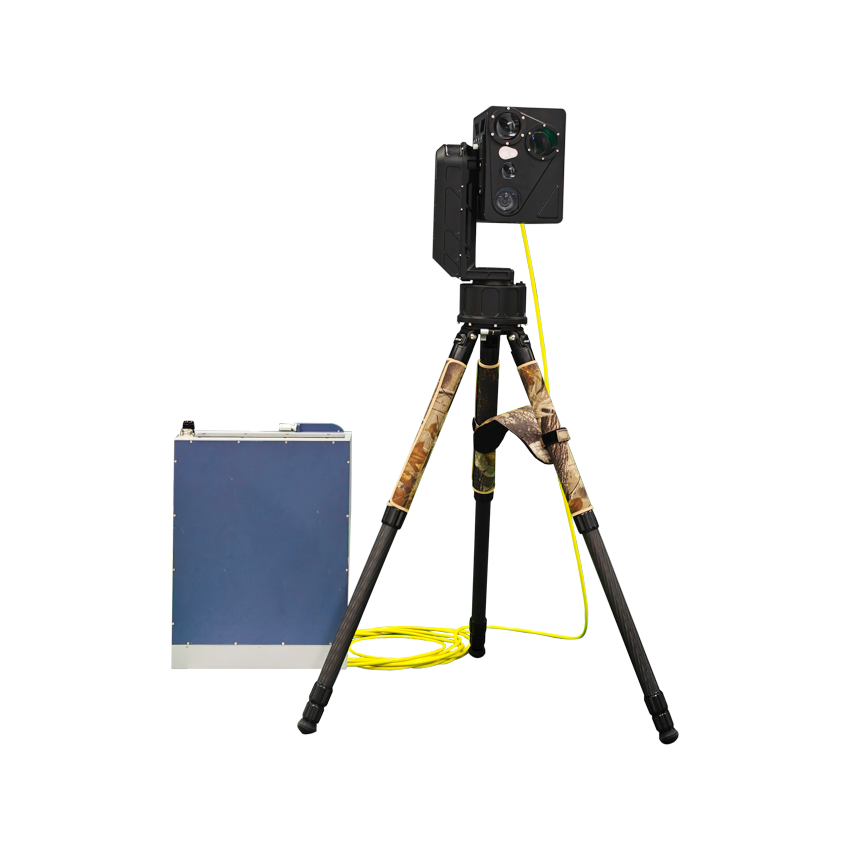
DDR systems are essential for countering UAV threats. Drones can be used for surveillance, smuggling, or even attacks, making them a significant security risk. With DDR systems, security personnel can monitor airspace and detect any unauthorized or suspicious drone activity. These radars play a key role in anti-UAV systems, providing early warnings and allowing operators to take necessary actions such as neutralizing the drone or blocking its flight path.
In addition to being highly effective in detecting drones, DDR systems can be integrated with other Anti-UAV technologies, such as Laser Anti-Drone Systems or counter-drone jammers, for a more comprehensive solution to UAV threats. By using DDR, organizations can ensure the security of sensitive areas like military zones, airports, and government buildings.
Radar technology operates by emitting radio waves that reflect off objects in the air. When these waves hit an object, they bounce back to the radar, which then calculates the time it took for the waves to return. This information is used to determine the object's distance, speed, and size. In the case of UAVs, DDR systems are designed to detect the small size and fast movement of drones by analyzing the reflected signals.
One of the challenges DDR systems face is distinguishing between UAVs and other objects, such as birds or aircraft. To solve this problem, advanced DDR systems use algorithms and filters to differentiate between the two. The radar analyzes factors like the drone's size, flight patterns, and velocity to confirm its identity as a UAV. This allows DDR systems to accurately track drones while ignoring irrelevant objects in the airspace, ensuring minimal false positives.
Drone Detection Radar (DDR) systems are capable of detecting drones from long distances, providing a crucial advantage in securing large areas. Unlike cameras or sensors that may have limited range, radar systems can cover wide areas, scanning the skies for potential threats. This long-range detection allows for early identification of UAVs, giving security personnel ample time to respond before the drone reaches its target. DDR systems are particularly useful in environments like airports, military bases, and critical infrastructure, where early detection is vital to ensuring safety. The ability to monitor large swathes of airspace from a distance makes DDR an invaluable tool for preventing drone-related threats.
Real-time detection is one of the key benefits of Drone Detection Radar systems. DDR systems can identify drones as soon as they enter the monitored airspace, providing immediate alerts to security teams. This rapid detection capability is essential for countering drone threats quickly and effectively. In situations like military operations, airport security, or event management, the ability to respond to drone activity as it happens can prevent potential harm. Real-time detection ensures that operators can immediately deploy countermeasures, such as jamming signals or activating laser-based systems, to neutralize the threat before it causes any disruption. By offering continuous surveillance and instantaneous threat identification, DDR systems significantly enhance the overall security of sensitive locations.
Drone Detection Radar (DDR) offers several advantages when compared to other Anti-UAV technologies like jammers, cameras, and laser systems. One of the key benefits of radar is its reliability. Radar systems can detect drones at long ranges, providing early warnings and continuous surveillance, unlike cameras that may have limited visibility or jammers that can only disable drones after detection. Additionally, radar systems are non-invasive, meaning they do not disrupt the functioning of other electronic devices in the vicinity, unlike jammers, which can interfere with communication networks.
Radar is also capable of monitoring large areas without being affected by environmental factors like weather or lighting conditions, which can hinder the effectiveness of cameras or infrared sensors. Furthermore, radar can function effectively both day and night, providing round-the-clock protection in environments where drone threats are persistent. In contrast, technologies like laser systems and cameras can be limited in their range and effectiveness, particularly in urban areas with high interference or at night. DDR's ability to provide real-time tracking and detect drones in various conditions makes it a superior choice for many security applications, including airports, military installations, and large-scale public events.
While Drone Detection Radar systems offer significant advantages, they also come with some limitations. One challenge is the occurrence of false positives, where radar detects non-threatening objects, such as birds or weather phenomena, and mistakenly classifies them as drones. This can lead to unnecessary responses and wasted resources. Advanced filtering and AI-powered systems are being developed to reduce this issue, but it remains a challenge.
Another limitation is environmental interference. In densely populated or urban environments, radar signals can be obstructed or reflected by buildings and other structures, leading to reduced detection accuracy. This can limit radar effectiveness in complex urban landscapes, where precision and adaptability are crucial.
Additionally, DDR systems can face challenges with very small drones or those operating at low altitudes, as their radar signature may be too faint for detection. In such cases, additional technologies like cameras, infrared sensors, or drones with advanced detection capabilities are often integrated with radar systems to enhance their coverage and accuracy. Despite these limitations, DDR remains a key technology in Anti-UAV defense.
Feature |
Drone Detection Radar |
Jammers |
Laser Systems |
Drone Detection Cameras |
Detection Accuracy |
High |
Medium |
High |
Medium |
Range |
Long |
Short to medium |
Medium to long |
Medium to short |
Real-Time Detection |
Yes |
No |
Yes |
Yes |
Neutralization Capability |
Yes (when combined) |
Yes (via disruption) |
Yes (via physical disable) |
No |
Non-Invasive |
Yes |
Yes |
No |
Yes |
Drone Detection Radar (DDR) plays a crucial role in securing airports and airspaces from unauthorized drone activity. Airports, being high-security zones with critical infrastructure, rely heavily on DDR systems to protect air traffic and prevent potential accidents. Drones flying into restricted airspace pose significant risks, including mid-air collisions with aircraft, disruption of flight schedules, and even sabotage of airport operations. DDR systems enable airport authorities to detect and track drones from long distances, providing valuable time for security teams to respond and neutralize threats.
DDR technology helps in identifying drones early, allowing for immediate intervention to prevent them from entering sensitive flight zones. Radar systems can detect drones regardless of weather conditions, time of day, or lighting, offering 24/7 surveillance of the airport’s surroundings. By integrating DDR with other counter-drone technologies, airports can enhance their security measures, ensuring the safety of passengers and air traffic. In addition to flight safety, DDR systems also contribute to protecting critical airport infrastructure, such as control towers and hangars, from potential drone-based threats.
In the military and defense sectors, Drone Detection Radar is deployed to safeguard critical assets and infrastructure from hostile UAVs. DDR systems are used extensively to monitor and protect military bases, airfields, and sensitive defense facilities from drone surveillance, reconnaissance, or attacks. Drones, often undetected by traditional defense systems, present a unique challenge due to their small size, maneuverability, and ability to fly at low altitudes. DDR systems provide an essential tool for military personnel to detect and track incoming UAVs in real time, allowing for quick countermeasures to be taken before the drone poses a significant threat.
Additionally, DDR technology is critical in military operations where large areas need to be monitored continuously. With DDR systems, defense forces can secure borders, military installations, and other high-value targets, ensuring the protection of national security interests. These radar systems offer the advantage of detecting drones over long distances, providing early warning and the ability to neutralize threats before they can reach their targets. Integrating DDR with other Anti-UAV technologies, such as jammers and laser systems, creates a comprehensive defense network that enhances operational security and resilience against drone-based threats.
The future of Drone Detection Radar (DDR) is marked by continuous technological advancements aimed at improving detection accuracy, range, and the ability to detect smaller, faster drones. The integration of artificial intelligence (AI) and machine learning is expected to play a significant role in enhancing the capabilities of radar systems. These technologies will allow DDR systems to analyze vast amounts of data in real-time, improving the accuracy of drone identification and reducing the likelihood of false positives.
Recent innovations in radar technology include improvements in multi-frequency radar systems that allow for better detection of both low-flying and high-altitude drones. The use of phased-array radar and solid-state technology has made it possible to detect drones more accurately over longer ranges, ensuring that threats are identified well before they approach sensitive areas. Additionally, the development of radar systems that can differentiate between drones and other flying objects, such as birds or weather phenomena, will further increase the effectiveness of DDR systems.
Another key advancement is the enhancement of radar's ability to detect small drones with low radar cross-sections (RCS), which previously were challenging for traditional radar systems to track. With these advancements, DDR will become more reliable in detecting a wider range of UAVs, from small hobby drones to large commercial or military-grade drones. These improvements will be crucial in expanding the deployment of DDR systems to protect a variety of environments, from urban areas to large-scale military operations.
In the future, Drone Detection Radar (DDR) will not work in isolation but will be integrated into a multi-layered anti-UAV defense system. By combining DDR with other technologies such as jammers, laser systems, and tracking cameras, security forces will have a more comprehensive and effective defense mechanism.
Jammers can disrupt the communication and control signals of drones once detected by DDR, preventing them from operating effectively. Laser Anti-Drone Systems can disable the UAV’s flight systems, while tracking cameras with real-time monitoring provide valuable visual data for operators. The integration of these systems ensures that once a drone is detected, it can be neutralized or diverted quickly, minimizing any potential risks to sensitive infrastructure, airports, military bases, or public spaces.
By combining radar with other counter-drone technologies, organizations can enhance their security posture, creating a robust, adaptable, and efficient defense system capable of handling a variety of UAV threats.
Drone detection radar is essential for identifying UAV threats in sensitive areas. These systems offer long-range detection and real-time tracking capabilities, crucial for airspace security. Ryan Optics Technology Co., Ltd. provides advanced DDR systems, ensuring robust protection for airports, military sites, and critical infrastructure with cutting-edge technology.
A: Drone Detection Radar (DDR) is a system that uses radar technology to detect and track UAVs, providing early warnings to neutralize threats effectively. It's a crucial tool in Anti-UAV systems.
A: DDR identifies drones in real-time, distinguishing them from other objects. It enables quick response and integrates with counter-drone systems like jammers and lasers for neutralization.
A: DDR is critical for safeguarding sensitive areas like airports, military sites, and infrastructure. It provides continuous surveillance and real-time detection, ensuring quick action against UAV threats.
A: DDR can detect various UAVs, including small, fast-moving ones. However, challenges like environmental interference may limit its accuracy, especially in urban settings.
A: Unlike cameras or jammers, DDR offers continuous, non-invasive detection, covering long ranges and detecting threats at various altitudes. It's highly effective for large-scale surveillance.