Author: Site Editor Publish Time: 2026-02-13 Origin: Site
Multi-sensor camera solutions are redefining modern security design. When comparing Multi-Sensor vs. Single Sensor vs. Fisheye Security Cameras, coverage, clarity, and infrastructure all matter. Do you need wide outdoor monitoring, precise entry control, or full-room panoramic visibility? This guide explains the core differences, performance trade-offs, and real-world use cases so you can confidently choose the right security camera system for your environment.
Choosing between Multi-Sensor vs. Single Sensor vs. Fisheye Security Cameras is not just a technical decision. It directly affects safety, operational efficiency, and long-term cost control. The right camera improves visibility and response time. The wrong one creates blind spots and wasted budget.
Modern security systems are expected to do more than record footage. They support investigations, reduce liability, improve situational awareness, and integrate with access control or alarm systems. Because of this, selecting the right camera architecture is now a strategic decision rather than a simple hardware purchase.
Traditional security relied on large numbers of fixed cameras. Each unit covered a narrow field of view. Large buildings required dozens of devices. Installation was hardware-heavy and time-consuming.
Common limitations included:
High cabling and infrastructure costs
Difficult system expansion
Multiple blind spots between cameras
Increased maintenance workload
As technology advanced, PTZ cameras improved flexibility. They allowed operators to pan, tilt, and zoom. However, they introduced coverage gaps because they could only view one direction at a time.
Today, intelligent panoramic systems reduce these limitations. Multi-sensor and fisheye designs provide wide-area visibility from fewer devices. Software stitching and image processing enhance usability. AI analytics add automated alerts and behavior detection.
| Security Stage | Coverage Method | Main Limitation | Modern Improvement |
|---|---|---|---|
| Fixed Camera Networks | Narrow, directional | Many devices required | Multi-sensor wide coverage |
| PTZ Cameras | Movable field of view | Coverage gaps during movement | Panoramic constant monitoring |
| Intelligent Systems | 180°–360° panoramic | Optimized hardware use | AI-enhanced analytics |
The shift shows one clear trend: fewer cameras, smarter coverage.
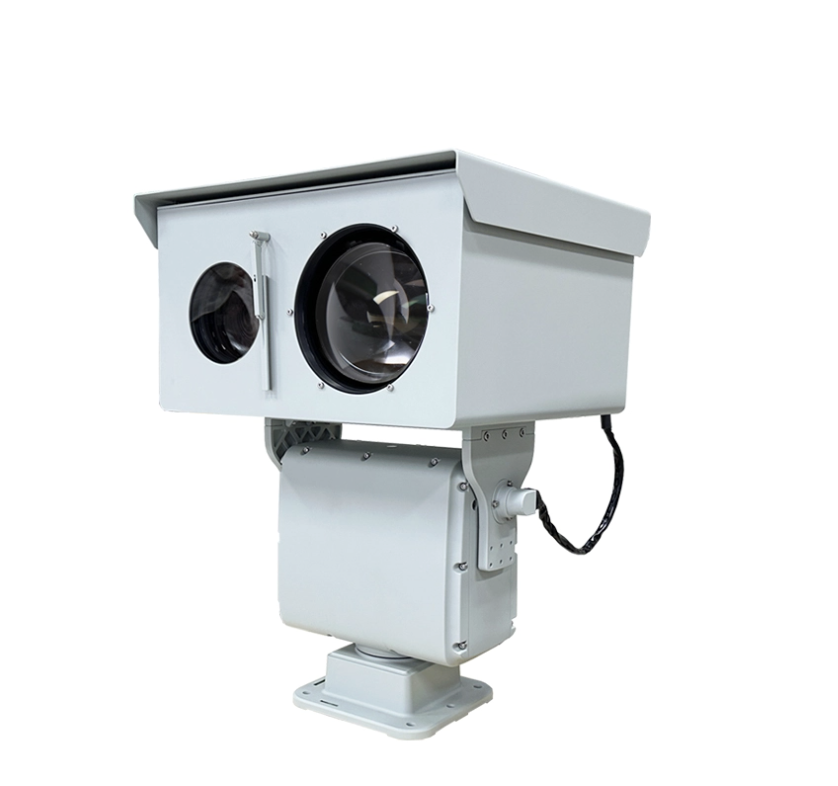
When comparing Multi-Sensor vs. Single Sensor vs. Fisheye Security Cameras, three factors determine long-term success.
Coverage defines how much area one device can monitor. In large environments, insufficient coverage increases risk exposure.
Key questions to ask:
Does one camera replace multiple traditional units?
Are entry points and corners fully visible?
Is there overlap or dead space?
Multi-sensor cameras typically provide segmented wide coverage. Fisheye cameras deliver centralized panoramic views. Single sensor cameras focus on precise zones.
High resolution alone does not guarantee identification. Pixel density distribution matters.
Consider:
Can faces be clearly identified at required distances?
Can license plates be read outdoors?
Does digital zoom reduce detail significantly?
Multi-sensor cameras often provide stronger identification across wide spaces. Single sensor cameras deliver consistent clarity in focused areas. Fisheye cameras distribute pixels across a wide field, which may reduce detail at distance.
Upfront pricing is only one part of total ownership cost.
You must also evaluate:
Installation labor
Cabling and PoE requirements
Network bandwidth usage
Storage capacity
Software licensing
Maintenance and replacement cycles
Sometimes one higher-cost multi-sensor camera replaces several single sensor units. In other cases, fisheye cameras reduce hardware count indoors. The lowest sticker price does not always equal the lowest system cost.
When comparing Multi-Sensor vs. Single Sensor vs. Fisheye Security Cameras, the real differences appear in architecture, coverage behavior, image handling, and processing demands. They may look similar in marketing materials. In practice, they operate very differently.
Camera design determines how it captures, processes, and delivers video. It also affects reliability and long-term maintenance.
Single Sensor Cameras
One lens
One imaging sensor
One fixed viewing direction
Simple internal layout
They focus on a specific scene. It stays consistent. Setup remains predictable.
Fisheye Cameras
One ultra-wide panoramic lens
One sensor
Captures 180° or 360° view
It spreads pixels across a large area. It relies heavily on software correction.
Multi-Sensor Cameras
Two to four independent lenses
Separate sensors inside one housing
Each sensor captures its own stream
They combine multiple images into one panoramic output. It creates segmented wide-area monitoring.
| Camera Type | Internal Complexity | Failure Risk | Maintenance Level |
|---|---|---|---|
| Single Sensor | Low | Minimal | Easy |
| Fisheye | Moderate | Low | Simple |
| Multi-Sensor | Higher | Moderate | Requires configuration |
Single sensor cameras contain fewer components. It reduces hardware failure points. Fisheye units remain mechanically simple. Distortion correction depends on software. Multi-sensor systems include more electronics. They require precise alignment.
Field of View defines how much area a camera sees at once. It directly affects blind spots and coverage strategy.
| Camera Type | Typical FoV |
|---|---|
| Single Sensor | 60°–110° |
| Fisheye | 180°–360° |
| Multi-Sensor | 180°–360° segmented |
Single sensor cameras provide directional coverage. They focus forward. Fisheye cameras deliver centralized panoramic coverage. They capture everything around a mounting point. Multi-sensor cameras divide wide coverage into adjustable zones.
Single sensor cameras monitor one defined path. It works well for hallways and entrances. Fisheye cameras monitor outward from a central point. They fit open indoor spaces. Multi-sensor cameras monitor multiple directions simultaneously. Each lens can face a different zone.
Coverage gaps create liability. Single sensor cameras require multiple units to eliminate blind spots. Fisheye cameras reduce blind spots near the center. Edge detail weakens at distance. Multi-sensor cameras reduce blind zones across wide outdoor areas. Proper configuration remains critical.
Mounting height and angle change performance significantly.
Ceiling mounting benefits fisheye cameras
Wall mounting suits single sensor cameras
Pole mounting enhances multi-sensor coverage outdoors
Poor mounting reduces effective resolution. It increases distortion. It creates unnecessary overlap.
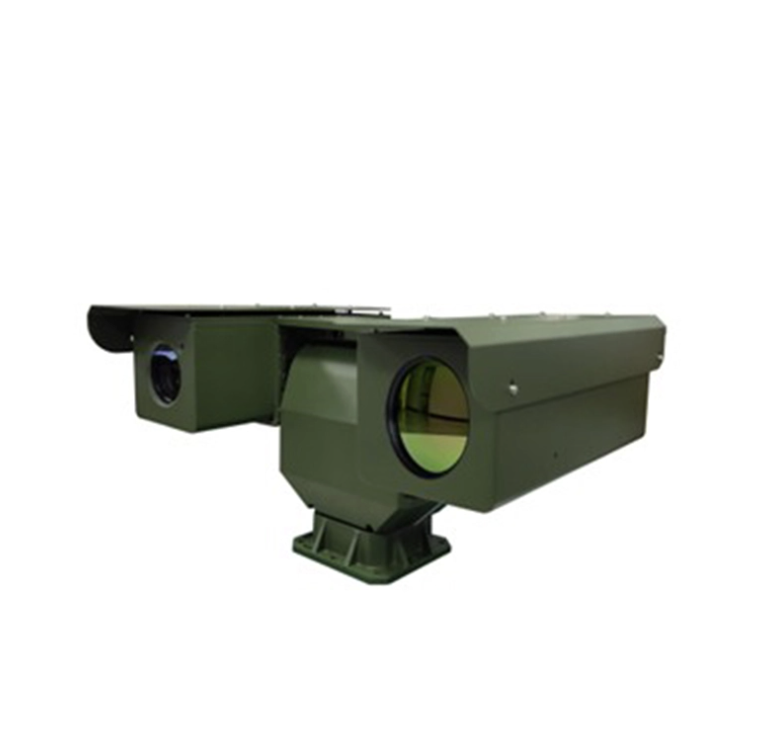
Resolution numbers alone do not tell the full story. Pixel distribution matters more.
Single sensor cameras concentrate pixels in one direction. It maximizes detail in that zone. Fisheye cameras spread pixels across a full circle. Each area receives fewer pixels per square meter. Multi-sensor cameras divide megapixels per sensor. It improves clarity across wider zones.
Advertised resolution reflects total megapixels. Effective resolution reflects usable detail in a target area.
For example:
An 8MP fisheye spreads pixels across 360°
An 8MP single sensor focuses all pixels forward
A 4x5MP multi-sensor distributes 5MP per zone
Effective detail depends on scene size and viewing distance.
Zoom type influences identification ability.
Digital zoom enlarges pixels. It reduces clarity.
Electronic zoom adjusts sensor cropping. It maintains better detail.
Optical zoom uses lens movement. It preserves image quality.
Single sensor cameras may include optical zoom variants. Fisheye cameras rely mostly on digital zoom. Multi-sensor cameras often support independent electronic zoom per lens.
Image correction plays a major role in panoramic systems.
Fisheye lenses create curved images. Straight lines appear bent. Software dewarping corrects the image. It converts circular footage into flat views.
This process requires processing power. It may occur in:
The camera itself
The NVR
The VMS platform
Video Management Systems play a key role.
They manage:
Dewarping
Image stitching
Stream synchronization
Digital zoom handling
Some processing happens on the camera. Some occurs at the NVR level. System architecture influences storage demand and bandwidth use.
Panoramic systems require more computing resources.
Consider:
CPU load on NVR
GPU acceleration needs
Network bandwidth for multiple streams
Storage impact from high-resolution feeds
Single sensor cameras demand the least infrastructure load. Fisheye cameras require dewarping processing. Multi-sensor cameras transmit multiple streams simultaneously. Infrastructure planning becomes essential when scaling large deployments.
A: It depends on the application. Multi-sensor cameras cover wider areas using fewer devices, making them ideal for large outdoor spaces. Single sensor cameras provide focused, consistent image quality for specific zones like entrances or hallways. For targeted monitoring, single sensor works well. For broad coverage, multi-sensor performs better.
A: Fisheye cameras minimize blind spots when mounted centrally on ceilings. However, image detail weakens at the edges due to pixel spread and distortion. Improper mounting can also create coverage gaps near walls or obstacles.
A: Multi-sensor cameras are typically best for parking lots. They provide wide horizontal coverage and better pixel density across large outdoor areas, improving vehicle and face identification.
A: Single sensor cameras with optical zoom provide the clearest zoom. Multi-sensor cameras offer strong electronic zoom per sensor. Fisheye cameras rely mostly on digital zoom, which reduces clarity.
Selecting the right camera type means matching coverage needs with image quality and network capacity. Multi-sensor cameras suit large outdoor areas, single sensor cameras handle focused zones, and fisheye models simplify indoor panoramic coverage. Each option solves a different challenge.
At Ryan Optics Technology Co., Ltd., we develop advanced imaging technologies designed for scalable, high-performance security systems. Whether upgrading or building new infrastructure, our team supports smarter security decisions.