Author: Site Editor Publish Time: 2026-02-13 Origin: Site
Multi-sensor camera technology is redefining modern security by delivering wide coverage from a single device. Instead of installing multiple fixed cameras, a multi-sensor security camera uses multiple image sensors to monitor different angles at the same time. From 180° corridor views to full 360° panoramic security, these systems reduce hardware while expanding visibility. In this guide, we explore multi-sensor camera types, benefits, and best use cases.
Multisensor cameras are changing how we design modern security systems. Instead of installing several separate cameras, we use one device that looks compact but covers a much larger area.
They help reduce hardware clutter while expanding visibility. For many projects, they offer a smarter way to monitor wide spaces.
A multisensor camera is a security camera that includes two or more image sensors inside one housing. Each sensor captures its own view, and they all operate at the same time to deliver wide or panoramic coverage.
Unlike traditional fixed cameras, it does not monitor just one narrow direction. Unlike PTZ cameras, it does not need to rotate to see different areas. It observes multiple angles simultaneously.
Each sensor faces a specific direction. Together, they divide a large scene into sections. The system then combines those sections into one continuous image or keeps them as separate streams.
Depending on the design, coverage may reach:
180° for wall-mounted installations
270° for corner placements
360° for open areas such as intersections or plazas
This approach allows us to monitor wide spaces without mechanical movement.
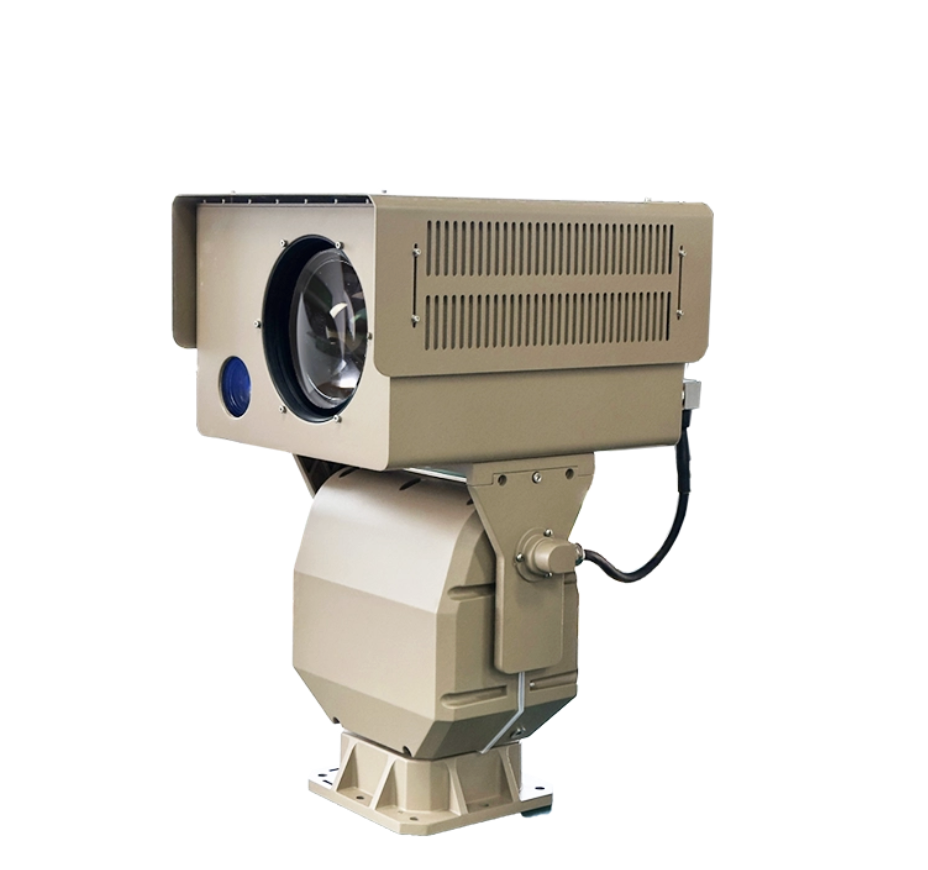
Multisensor cameras come in different configurations based on sensor count and coverage angle. Each type is designed for a specific environment. When selecting a multi-sensor camera, we consider space size, mounting position, and monitoring goals.
Dual-sensor cameras include two image sensors inside one housing. Together, they typically provide up to 180° coverage. Each sensor faces a different direction, allowing the camera to monitor a wide horizontal area without distortion from a single stretched lens.
They are ideal for:
Corridors
Storefronts
Building entrances
Perimeter walls
Compared to a single wide-angle camera, a dual-sensor camera maintains better edge clarity and more balanced image geometry. It also reduces the need for installing two separate fixed cameras.
| Feature | Single Wide-Angle | Dual-Sensor Camera |
|---|---|---|
| Coverage | Wide but distorted | 180° split view |
| Edge Detail | Reduced | More consistent |
| Devices Needed | Often 2 | 1 |
For linear spaces, this type of multisensor camera is efficient and cost-effective.
Three-sensor cameras expand coverage to around 270°. They are commonly installed in corners, where they can project visibility outward into open areas.
Typical use cases include:
Parking garage corners
Warehouse interiors
Retail floors
School campuses
This type of multi-sensor security camera provides balanced coverage for medium-sized spaces. It offers more visibility than dual-sensor models but avoids the complexity of full 360° systems.
Four-sensor cameras deliver full 360° panoramic coverage. Each sensor captures one quadrant, and all operate at the same time. There is no mechanical movement, so blind spots are minimized.
They work best in large open areas such as:
Intersections
Airport terminals
Stadium entrances
Public plazas
Many 360° multisensor cameras include onboard real-time stitching. The processor aligns overlapping views and outputs either a seamless panoramic image or multiple independent streams.
| Feature | Four-Sensor Camera |
|---|---|
| Coverage | 360° |
| Sensors | Four |
| Best For | Large open spaces |
For wide-area security, they reduce hardware while maximizing coverage.
Multisensor cameras generally fall into two output types: stitched panoramic or multi-imager.
Panoramic cameras combine all sensors into one continuous image. Operators see a seamless wide view, which improves situational awareness.
Multi-imager cameras treat each sensor as an independent channel. They share one housing and often one IP address, but each direction can be managed separately.
| Output Type | Panoramic | Multi-Imager |
|---|---|---|
| View Style | Single stitched image | Multiple streams |
| Control | Unified | Per-channel |
| Best For | Central monitoring | Zone-based control |
We choose panoramic multisensor cameras for full-scene visibility. We choose multi-imager cameras when flexibility and independent configuration are more important.
Multisensor cameras offer clear advantages in modern security design. They improve coverage, reduce hardware, and simplify management. When we compare them to traditional fixed or PTZ cameras, the efficiency becomes obvious.
One major benefit of multisensor cameras is their ability to monitor large areas using a single unit. Instead of installing several fixed cameras across a wall or ceiling, we mount one multi-sensor camera and cover the same space.
It replaces multiple fixed cameras in many scenarios. That means fewer brackets, fewer cables, and fewer visible devices.
This leads to:
Reduced infrastructure clutter
Cleaner ceilings and walls
Simplified layout planning
Streamlined installation process
For example, a four-sensor camera can replace four individual fixed cameras positioned in different directions. It delivers wide coverage while keeping the installation neat.
| Deployment Type | Traditional Fixed Cameras | Multisensor Camera |
|---|---|---|
| Devices Needed | 3–4 units | 1 unit |
| Cabling | Multiple runs | Single run |
| Mounting Points | Several | One |
It makes large-area security more efficient and visually cleaner.
Multisensor cameras monitor multiple directions at the same time. Each sensor captures a dedicated angle, so the system sees everything simultaneously. There is no mechanical movement. Unlike PTZ cameras, it does not rotate or reposition to view another area. Because of this, it avoids panning delays.
With PTZ systems, an incident may occur outside the current viewing direction. Operators must move the lens to investigate. During that time, other zones remain unmonitored. Multisensor cameras eliminate this gap. They provide continuous, multi-direction monitoring. It improves situational awareness and reduces the risk of missed events.
Although the initial price of a multisensor camera may be higher than a single fixed camera, overall system costs often decrease.
It reduces cabling requirements since multiple views operate through one housing. Installation labor decreases because technicians mount and configure one device instead of several.
Key cost advantages include:
Fewer mounting points
Reduced drilling and hardware
Single IP address management
Simplified network configuration
In many systems, licensing costs also drop because fewer devices are registered on the network. When we evaluate long-term maintenance, fewer physical units mean fewer potential failure points.
Multisensor cameras maintain consistent image quality across wide scenes. All sensors operate under synchronized exposure and white balance settings. When lighting conditions change, they adjust together. This reduces brightness variation between different viewing angles.
It produces:
A unified panoramic view
Balanced color levels
Smoother transitions between sensor zones
In environments such as parking lots or plazas, lighting can vary across different directions. Multisensor systems help minimize visible inconsistencies.
| Image Factor | Separate Cameras | Multisensor Camera |
|---|---|---|
| Exposure Sync | Independent | Synchronized |
| Color Balance | May vary | Unified |
| Scene Transition | Visible differences | Smooth blending |
For operators, this consistency improves clarity and makes monitoring easier across the full field of view.
Multisensor cameras perform best in wide, open, or high-traffic environments. They reduce hardware while expanding visibility. When we need broad coverage and consistent image quality, they become a strong solution.
Airports demand wide security coverage. Terminals are large. Passenger flow is constant. Security teams need full visibility across open halls. Multisensor cameras monitor large open terminals using fewer devices. One 360° multi-sensor camera can replace several fixed units mounted across ceilings.
They support:
Crowd monitoring in check-in areas
Security oversight near boarding gates
Observation of baggage claim zones
Because they reduce hardware footprint, ceilings stay less crowded. Cabling becomes simpler. Maintenance planning improves. In transportation hubs such as train stations or bus depots, they help security teams track movement patterns across multiple directions simultaneously.
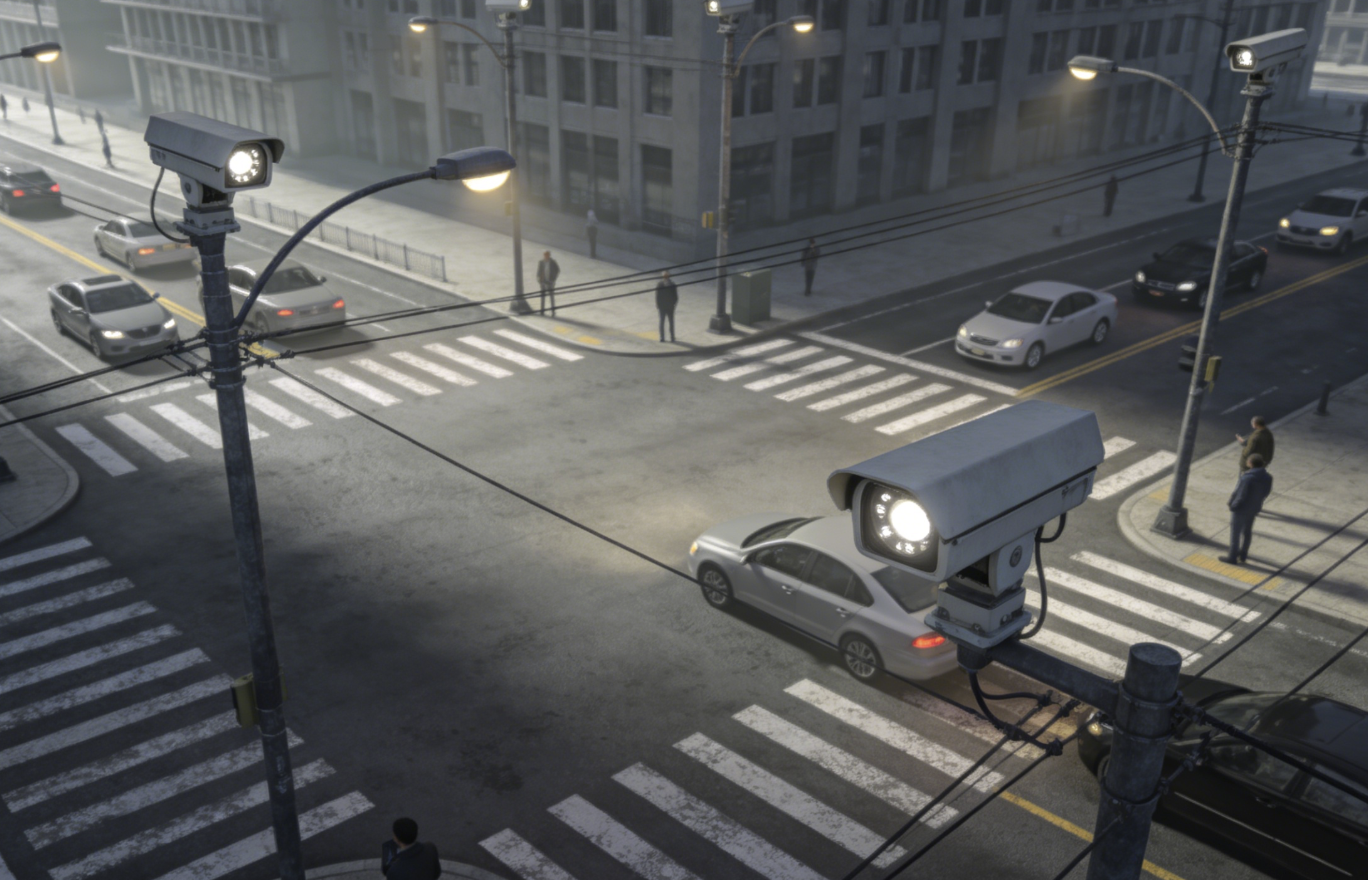
Urban intersections require full directional awareness. Traffic flows from several angles. Pedestrians move unpredictably. A 360° multisensor camera provides complete traffic monitoring from a single pole. It captures vehicles, crosswalks, and sidewalks at once.
They also support public safety analytics, including:
Vehicle counting
Incident detection
Traffic flow analysis
Compared to installing multiple fixed cameras around an intersection, one multi-sensor system simplifies infrastructure.
| Deployment Option | Multiple Fixed Cameras | 360° Multisensor Camera |
|---|---|---|
| Mounting Points | Several poles | Single pole |
| Coverage | Segmented | Unified 360° |
| Network Setup | Multiple IPs | Single IP |
Smart city projects benefit from reduced installation complexity and cleaner street layouts.
Stadiums and event venues involve dense crowds and large open areas. Security teams must monitor entrances, seating zones, and walkways. Multisensor cameras support crowd management by capturing wide sections of the venue. They allow operators to monitor incidents across multiple directions without repositioning a lens.
Benefits in event venues include:
Wide-area incident monitoring
Reduced mounting complexity
Continuous multi-direction coverage
Instead of placing several cameras around a concourse, we install one device that oversees the entire area. It improves response time during emergencies.
Parking facilities often include multiple lanes and wide driving areas. Vehicles move in different directions. Blind spots create risk. Multisensor cameras monitor multiple lanes simultaneously. They track vehicle movement across the entire parking zone.
They also help address license plate visibility considerations. Each sensor can focus on a specific direction, improving angle accuracy compared to a single ultra-wide lens.
Typical benefits include:
Multi-lane monitoring
Vehicle tracking across zones
Reduced number of mounted devices
For large garages, a four-sensor camera often replaces several corner-mounted fixed cameras.
Campuses include courtyards, walkways, and multi-building layouts. Security teams need broad situational awareness across open areas. Multisensor cameras monitor courtyards and open spaces efficiently. They reduce the number of devices mounted on academic buildings.
They support:
Multi-building exterior coverage
Student movement monitoring
Improved response coordination
Because they provide simultaneous multi-direction visibility, security personnel gain enhanced situational awareness during busy periods.
Retail environments combine entrances, corridors, and central atriums. Traffic flows constantly between stores. Multisensor cameras monitor store entrances and wide interior spaces using fewer units. In large atriums, one panoramic camera can oversee multiple storefronts.
They support loss prevention coverage by reducing blind spots and maintaining consistent image clarity across zones.
Common retail applications include:
Main entrance monitoring
Central mall atrium security
High-traffic checkout areas
By consolidating coverage into fewer devices, retailers simplify installation while maintaining strong visual oversight.
A: No, but they significantly reduce them. Proper placement and overlapping fields of view minimize gaps, though environmental factors and mounting limitations may still create small blind zones.
A: Typically 2–4 sensors per camera unit, depending on coverage area. Most multisensor cameras offer 180°–360° coverage with 3–4 sensors, while dual-sensor models suit narrower spaces.
A: Yes. Each sensor records independently, allowing customized settings per stream. This enables detailed monitoring of specific zones while maintaining overall situational awareness.
A: Yes, especially for cost-conscious deployments. One multisensor unit replaces multiple single-sensor cameras, reducing installation complexity and long-term maintenance expenses.
A well-designed multi-sensor camera system improves coverage, simplifies installation, and reduces long-term costs. By combining multiple viewing angles into one housing, it enhances situational awareness while keeping infrastructure clean and efficient.
At Ryan Optics Technology Co., Ltd., we provide advanced multi-sensor imaging solutions for wide-area security projects. Contact our team to build a smarter, more efficient monitoring system.