| Availability: | |
|---|---|
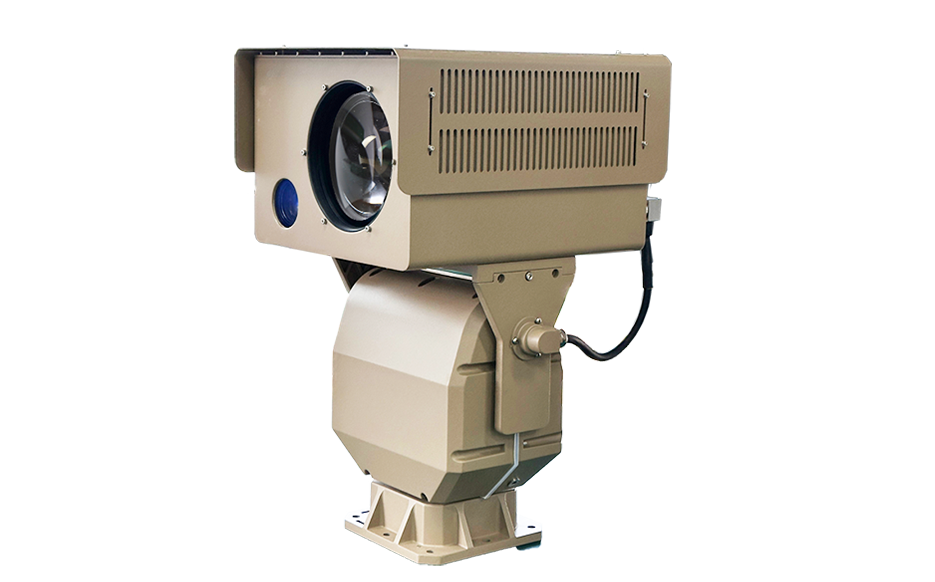
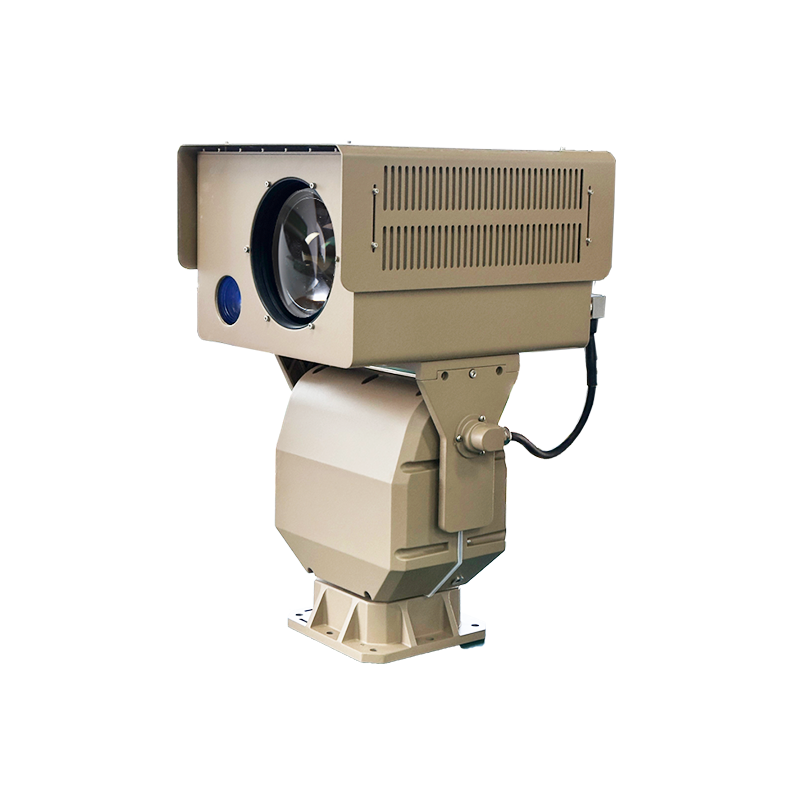
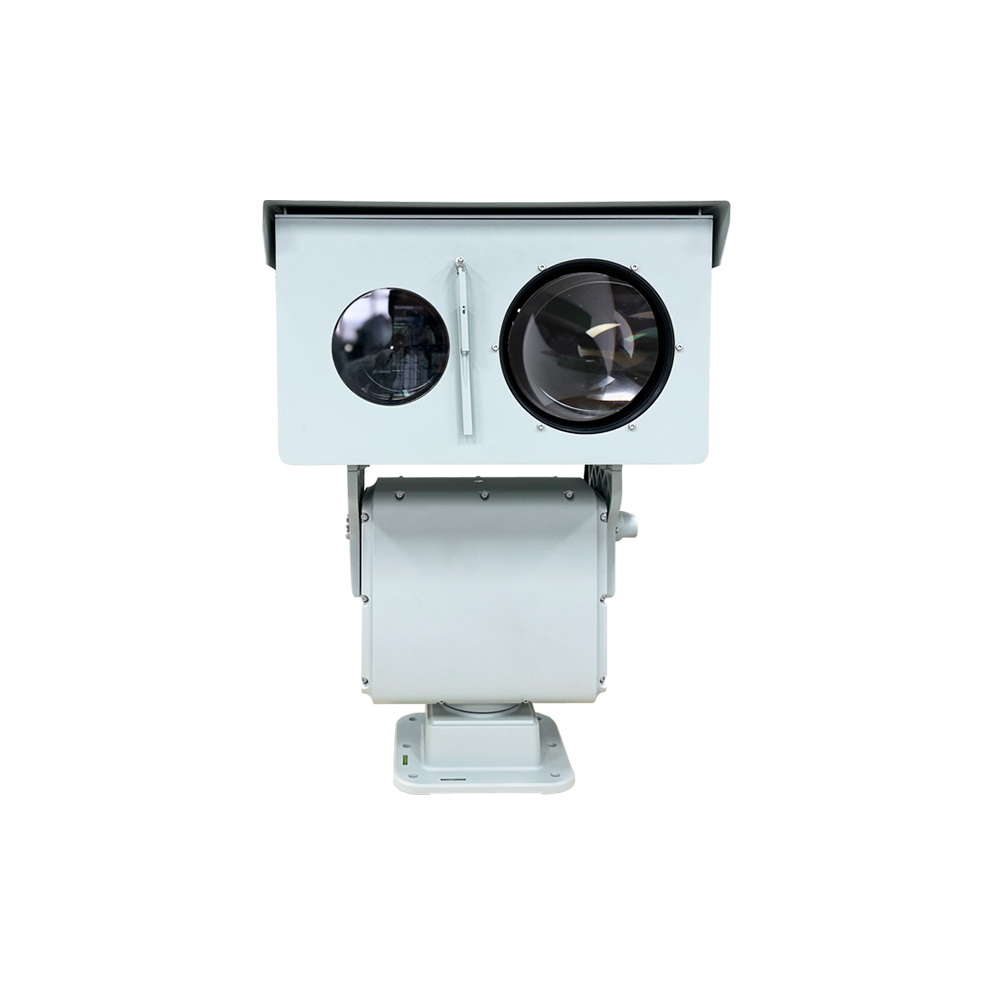
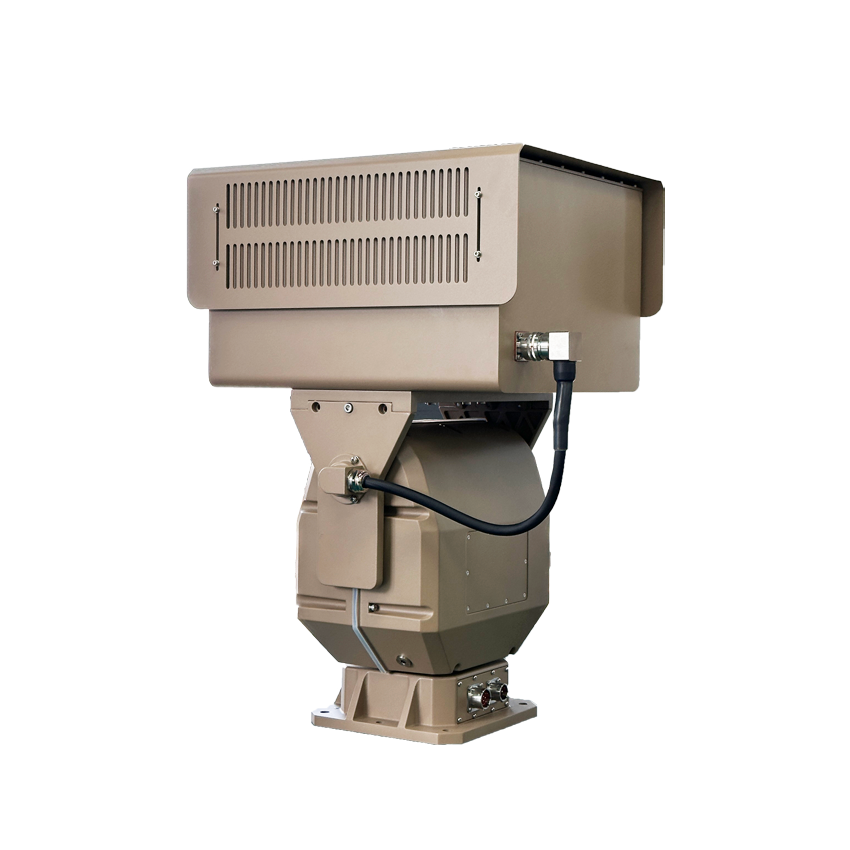
The Long-Range Long Wave Thermal Camera (LWIR) is a rugged, high-performance imaging solution designed for 24/7 day-and-night surveillance. Utilizing advanced uncooled microbolometer technology and operating in the 8–14μm infrared spectrum, it delivers sharp, high-contrast thermal imagery with unmatched detail and fidelity—even in the most demanding environments. The camera excels in penetrating smoke, fog, and haze, providing reliable visibility when visible-light systems fail. Its compact, durable design supports flexible deployment across border security, coastal monitoring, industrial inspection, and anti-drone applications. Engineered for low power consumption and minimal maintenance, this LWIR camera offers cost-effective, mission-critical surveillance for both civilian and defense sectors.

Adopting advanced uncooled microbolometer technology, the camera eliminates the need for cryogenic cooling systems. This reduces system complexity, lowers power consumption to <15W, and enhances long-term reliability. With fewer moving parts, it requires minimal maintenance (annual calibration recommended), making it ideal for continuous 24/7 operation in remote or hard-to-access locations.
Operating in the 8–14μm infrared spectrum, the camera provides superior imaging performance under atmospheric interference. It penetrates smoke, light fog, haze, and dust, maintaining clear situational awareness in low-visibility conditions. This long-wave band is particularly effective for detecting thermal signatures of humans, vehicles, and equipment, even in cluttered environments.
LWIR imaging is independent of external light sources, enabling effective surveillance in complete darkness, bright sunlight, and all weather conditions (rain, snow, dust storms). The camera operates in temperature ranges from -40℃ to 70℃ and withstands humidity levels of 0%–95% (non-condensing). Its IP66-rated housing ensures protection against dust and water, supporting reliable operation in harsh outdoor environments.
Built with a lightweight yet durable structure (starting at 1.2kg), the camera is engineered to withstand shocks, vibrations, and temperature extremes. Its compact size (as small as 150×100×80mm) supports flexible integration into mobile platforms (vehicles, UAVs), towers, and fixed installations. The rugged construction meets military-grade standards (MIL-STD-810G) for durability in demanding operational scenarios.
Equipped with highly sensitive detectors (NETD <50mK), the camera detects even minute temperature differences (as small as 0.05℃), ensuring accurate target recognition and clear thermal contrast. Advanced image processing algorithms enhance edge definition and reduce noise, delivering sharp, detailed imagery that enables operators to distinguish between objects, people, and backgrounds with precision.
Provides reliable 24/7 monitoring along borders, fences, and restricted zones. It detects human movement and vehicles at long ranges (up to 5km for vehicles, 2km for humans) in complete darkness, fog, or dust storms. Real-time situational awareness enhances early-warning systems, strengthening security against illegal crossings, intrusions, and smuggling activities.
Deployed at shorelines, ports, and marine vessels, the camera penetrates haze, humidity, and low-visibility conditions to identify vessels, small boats, and suspicious activities. It supports safe navigation, detects unauthorized maritime traffic, and plays a vital role in anti-smuggling and maritime law enforcement. Its compact design makes it suitable for integration with ship-based surveillance systems.
Installed at airports, oil fields, power plants, industrial sites, and government buildings, the camera provides continuous monitoring of perimeters and critical equipment. It detects abnormal heat signatures (e.g., overheating machinery, electrical faults) and unauthorized intrusions, ensuring the safety of personnel and high-value assets. Proactive surveillance minimizes the risk of sabotage and operational downtime.
Used for early forest fire detection, flood monitoring, and pollution source identification. The camera detects temperature anomalies in forests, rivers, and ecological zones, enabling authorities to respond quickly to wildfires or environmental hazards. Its long-range, non-intrusive imaging supports wildlife protection without disturbing natural habitats.
Integrated into counter-UAS systems, the LWIR camera identifies and tracks drones using their thermal signatures—unaffected by camouflage or lighting conditions. It enhances detection accuracy for low, slow, and small (LSS) UAV threats, supporting effective neutralization in sensitive areas such as airports, military bases, and public events.
Uncooled LWIR cameras offer lower power consumption, smaller size, lighter weight, and lower cost compared to cooled MWIR systems. They require minimal maintenance and are ideal for portable, long-duration, or cost-sensitive deployments—while still delivering reliable thermal imaging in most environments.
• Human-sized targets: Detection up to 2km, recognition up to 800m.
• Small vehicles (cars): Detection up to 5km, recognition up to 2km.
• Large vehicles (trucks/ships): Detection up to 8km, recognition up to 4km.
The camera meets MIL-STD-810G standards for shock, vibration, and temperature resistance. It is dustproof (IP66) and waterproof, capable of withstanding heavy rain, salt spray, and extreme temperatures from -40℃ to 70℃.
Yes, it supports real-time video output via IP (Ethernet), HDMI, and SDI interfaces. It is compatible with standard video management systems (VMS) and can transmit video over long distances via fiber optics or 4G/5G networks for remote monitoring.
Absolutely. Its compact size (down to 150×100×80mm) and low weight (starting at 1.2kg) make it ideal for integration into UAVs, ground vehicles, and marine vessels. We offer custom mounting brackets and power configurations for mobile applications.
The Long-Range Long Wave Thermal Camera (LWIR) is a rugged, high-performance imaging solution designed for 24/7 day-and-night surveillance. Utilizing advanced uncooled microbolometer technology and operating in the 8–14μm infrared spectrum, it delivers sharp, high-contrast thermal imagery with unmatched detail and fidelity—even in the most demanding environments. The camera excels in penetrating smoke, fog, and haze, providing reliable visibility when visible-light systems fail. Its compact, durable design supports flexible deployment across border security, coastal monitoring, industrial inspection, and anti-drone applications. Engineered for low power consumption and minimal maintenance, this LWIR camera offers cost-effective, mission-critical surveillance for both civilian and defense sectors.

Adopting advanced uncooled microbolometer technology, the camera eliminates the need for cryogenic cooling systems. This reduces system complexity, lowers power consumption to <15W, and enhances long-term reliability. With fewer moving parts, it requires minimal maintenance (annual calibration recommended), making it ideal for continuous 24/7 operation in remote or hard-to-access locations.
Operating in the 8–14μm infrared spectrum, the camera provides superior imaging performance under atmospheric interference. It penetrates smoke, light fog, haze, and dust, maintaining clear situational awareness in low-visibility conditions. This long-wave band is particularly effective for detecting thermal signatures of humans, vehicles, and equipment, even in cluttered environments.
LWIR imaging is independent of external light sources, enabling effective surveillance in complete darkness, bright sunlight, and all weather conditions (rain, snow, dust storms). The camera operates in temperature ranges from -40℃ to 70℃ and withstands humidity levels of 0%–95% (non-condensing). Its IP66-rated housing ensures protection against dust and water, supporting reliable operation in harsh outdoor environments.
Built with a lightweight yet durable structure (starting at 1.2kg), the camera is engineered to withstand shocks, vibrations, and temperature extremes. Its compact size (as small as 150×100×80mm) supports flexible integration into mobile platforms (vehicles, UAVs), towers, and fixed installations. The rugged construction meets military-grade standards (MIL-STD-810G) for durability in demanding operational scenarios.
Equipped with highly sensitive detectors (NETD <50mK), the camera detects even minute temperature differences (as small as 0.05℃), ensuring accurate target recognition and clear thermal contrast. Advanced image processing algorithms enhance edge definition and reduce noise, delivering sharp, detailed imagery that enables operators to distinguish between objects, people, and backgrounds with precision.
Provides reliable 24/7 monitoring along borders, fences, and restricted zones. It detects human movement and vehicles at long ranges (up to 5km for vehicles, 2km for humans) in complete darkness, fog, or dust storms. Real-time situational awareness enhances early-warning systems, strengthening security against illegal crossings, intrusions, and smuggling activities.
Deployed at shorelines, ports, and marine vessels, the camera penetrates haze, humidity, and low-visibility conditions to identify vessels, small boats, and suspicious activities. It supports safe navigation, detects unauthorized maritime traffic, and plays a vital role in anti-smuggling and maritime law enforcement. Its compact design makes it suitable for integration with ship-based surveillance systems.
Installed at airports, oil fields, power plants, industrial sites, and government buildings, the camera provides continuous monitoring of perimeters and critical equipment. It detects abnormal heat signatures (e.g., overheating machinery, electrical faults) and unauthorized intrusions, ensuring the safety of personnel and high-value assets. Proactive surveillance minimizes the risk of sabotage and operational downtime.
Used for early forest fire detection, flood monitoring, and pollution source identification. The camera detects temperature anomalies in forests, rivers, and ecological zones, enabling authorities to respond quickly to wildfires or environmental hazards. Its long-range, non-intrusive imaging supports wildlife protection without disturbing natural habitats.
Integrated into counter-UAS systems, the LWIR camera identifies and tracks drones using their thermal signatures—unaffected by camouflage or lighting conditions. It enhances detection accuracy for low, slow, and small (LSS) UAV threats, supporting effective neutralization in sensitive areas such as airports, military bases, and public events.
Uncooled LWIR cameras offer lower power consumption, smaller size, lighter weight, and lower cost compared to cooled MWIR systems. They require minimal maintenance and are ideal for portable, long-duration, or cost-sensitive deployments—while still delivering reliable thermal imaging in most environments.
• Human-sized targets: Detection up to 2km, recognition up to 800m.
• Small vehicles (cars): Detection up to 5km, recognition up to 2km.
• Large vehicles (trucks/ships): Detection up to 8km, recognition up to 4km.
The camera meets MIL-STD-810G standards for shock, vibration, and temperature resistance. It is dustproof (IP66) and waterproof, capable of withstanding heavy rain, salt spray, and extreme temperatures from -40℃ to 70℃.
Yes, it supports real-time video output via IP (Ethernet), HDMI, and SDI interfaces. It is compatible with standard video management systems (VMS) and can transmit video over long distances via fiber optics or 4G/5G networks for remote monitoring.
Absolutely. Its compact size (down to 150×100×80mm) and low weight (starting at 1.2kg) make it ideal for integration into UAVs, ground vehicles, and marine vessels. We offer custom mounting brackets and power configurations for mobile applications.