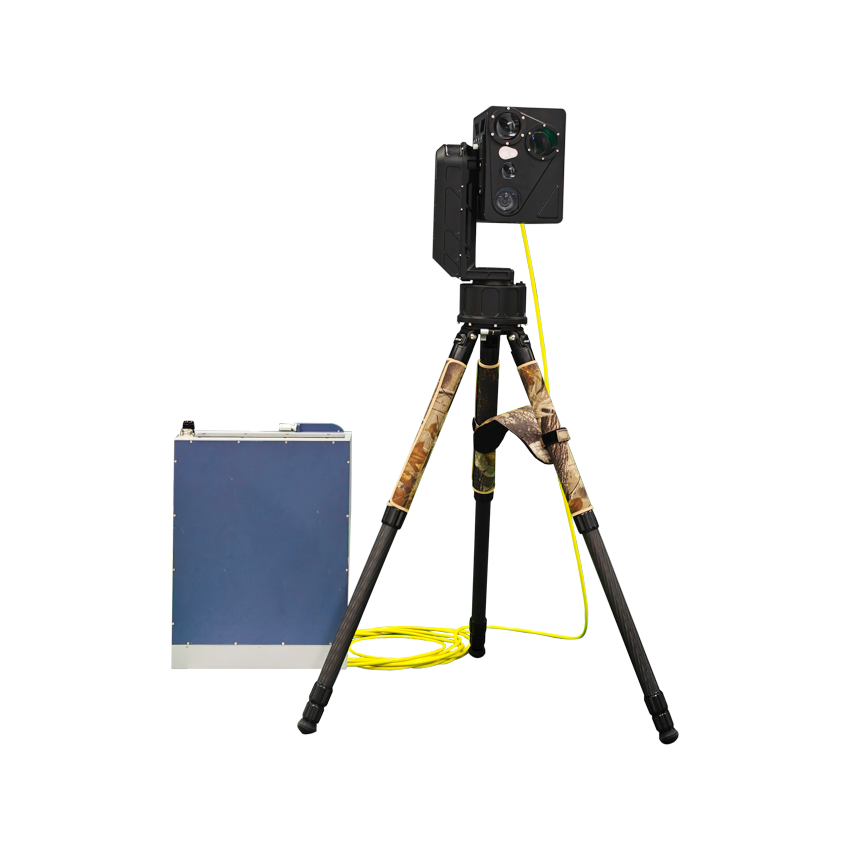

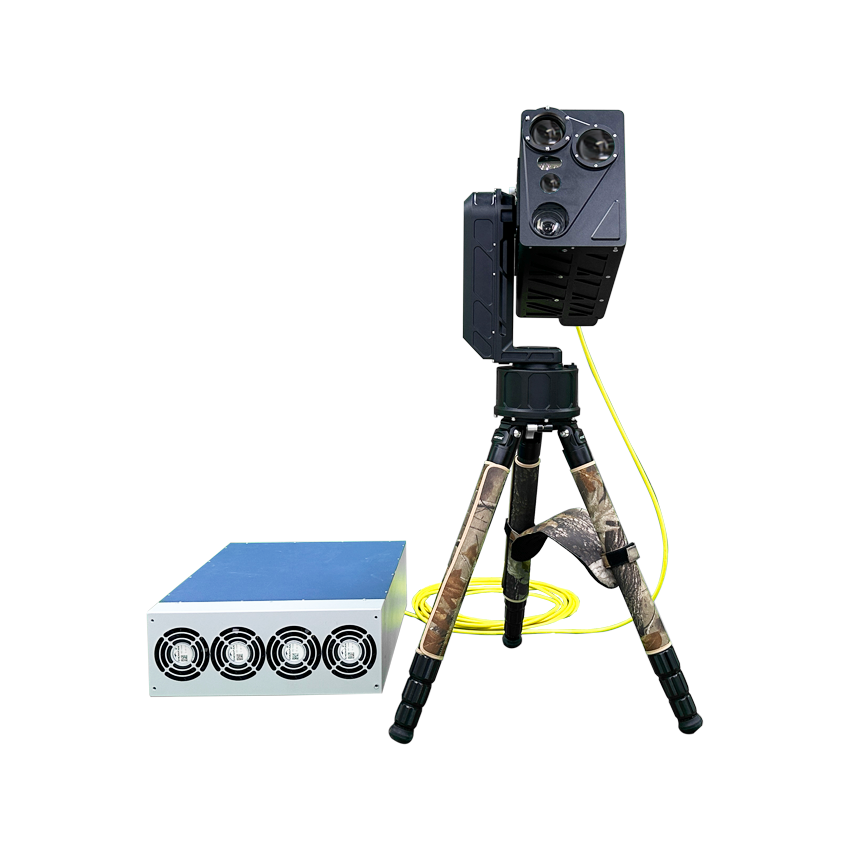

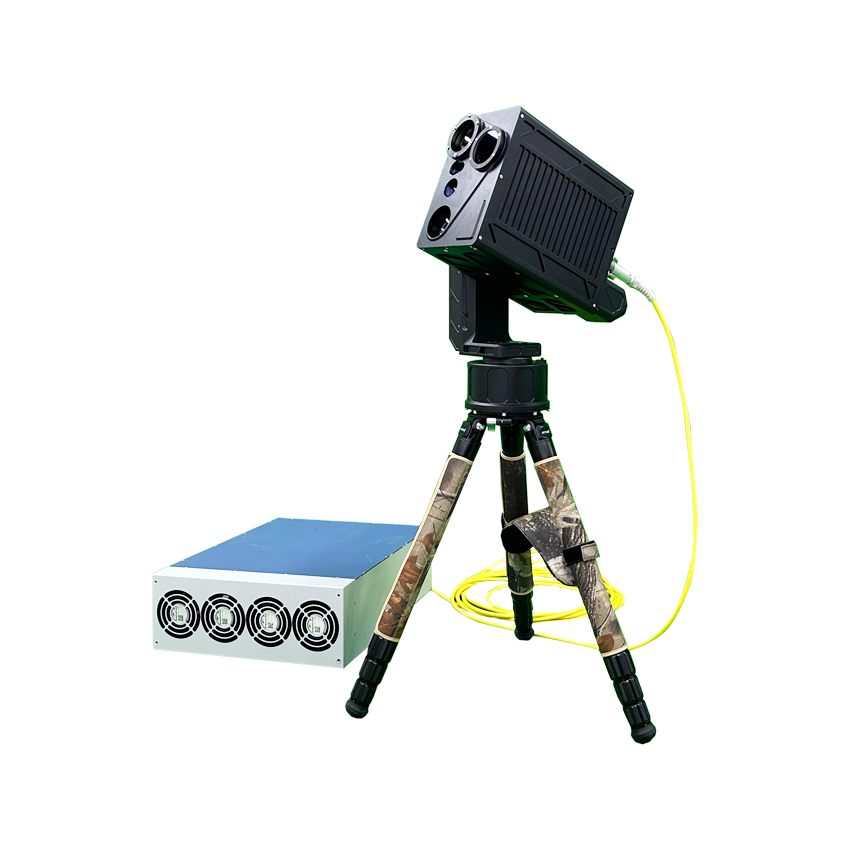

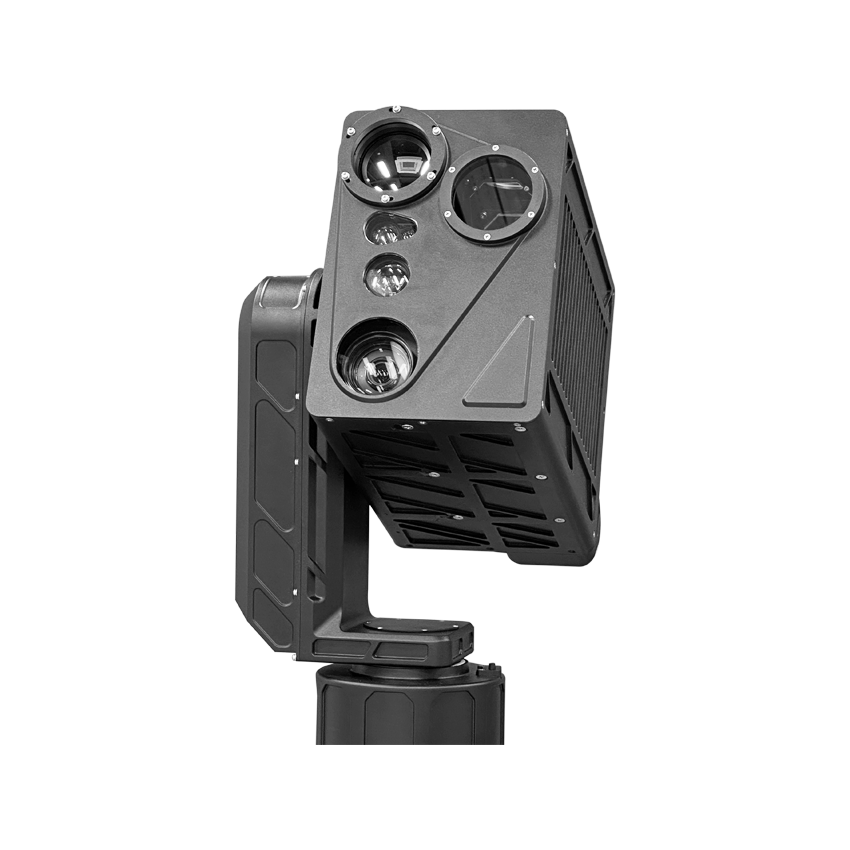

The Anti UAV System is an integrated defense platform designed to detect, identify, track, and neutralize unauthorized or hostile drones—including fixed-wing, multi-rotor, and hybrid models. As drone proliferation increases risks to airspace security, information privacy, and critical assets, this system provides a proactive safeguard for military, civilian, and government applications. By combining multi-sensor detection, AI-powered recognition, and flexible countermeasures, it creates a layered defense that operates 24/7 in diverse environmental conditions. Whether protecting airports, military bases, or large public events, the system ensures airspace security with minimal collateral impact.

Integrates radar, radio frequency (RF) monitoring, electro-optical/infrared (EO/IR) imaging, and acoustic sensing technologies. This multi-layered approach ensures reliable detection of drones with small radar cross-sections (RCS) and those attempting to avoid conventional systems. It operates effectively in day/night, rain, fog, and urban clutter, reducing blind spots by over 90%.
Powered by advanced AI and machine learning algorithms, the system distinguishes drones from birds, helicopters, and other aerial objects with 95%+ accuracy. Once identified, it performs real-time tracking and trajectory prediction, providing early warning and precise situational awareness. This minimizes false alarms, a critical advantage for high-security environments requiring rapid decision-making.
Featuring a modular design, the system supports multiple deployment modes: portable units (for field operations), vehicle-mounted solutions (for mobile security), and fixed installations (for permanent infrastructure protection). It scales seamlessly from small-scale security needs to large strategic networks, integrating with existing defense systems for unified command and control.
Offers a range of neutralization methods tailored to operational contexts: radio frequency (RF) jamming (disrupting drone communication/navigation), GPS spoofing (guiding drones to safe landing zones), directed energy weapons (for long-range neutralization), and physical interception (net-based capture). All countermeasures avoid disrupting civilian communications and minimize collateral damage, ensuring compliance with safety regulations.
Provides a centralized control interface displaying drone type, location, trajectory, and threat level. It generates real-time alerts via visual, audio, and text notifications, and logs all events for post-incident analysis. The system supports remote access via mobile devices, enabling command teams to monitor and manage defenses from anywhere.
In modern warfare, the system protects troops, command centers, and strategic assets from drone-based reconnaissance, electronic warfare, and precision strikes. It establishes secure airspace, denies adversaries intelligence-gathering opportunities, and maintains operational advantage in contested environments. The rapid response capability neutralizes hostile drones before they can inflict damage.
Deployed to safeguard airports, power plants, government buildings, communication hubs, and large public events (concerts, sports games, international summits). It prevents drones from entering restricted airspace, mitigating risks of espionage, sabotage, and threats to public safety. For airports, it ensures compliance with aviation security regulations by eliminating drone-related flight disruptions.
Secures national borders against illegal drone activities such as smuggling contraband, transporting drugs, and unauthorized surveillance. The system’s long-range detection and interception capabilities enhance border patrol efficiency, preventing infiltration and safeguarding national sovereignty. It operates effectively in remote border regions with harsh environmental conditions.
The system targets all common drone types: multi-rotor (DJI, Parrot), fixed-wing, hybrid, and small tactical drones. It detects drones with takeoff weights from 250g to 50kg and operating ranges up to 10km (depending on configuration).
Deployment time varies by mode: portable units are operational within 15 minutes, vehicle-mounted solutions within 30 minutes, and fixed installations (with pre-installed infrastructure) within 2 hours.
No. The countermeasures are precision-targeted to drone-specific frequencies (2.4GHz, 5.8GHz, GPS L1/L2 bands), avoiding interference with civilian cell phones, Wi-Fi, and emergency communications. It complies with international frequency regulation standards.
Yes, it supports integration with CCTV systems, access control platforms, and command-and-control centers via standard protocols (API, SDK, ONVIF). This enables unified security management and streamlined operational workflows.
Detection range reaches up to 10km for large drones and 3km for small (250g) drones. Neutralization range varies by countermeasure: RF jamming up to 5km, GPS spoofing up to 3km, and directed energy weapons up to 2km.
The Anti UAV System is an integrated defense platform designed to detect, identify, track, and neutralize unauthorized or hostile drones—including fixed-wing, multi-rotor, and hybrid models. As drone proliferation increases risks to airspace security, information privacy, and critical assets, this system provides a proactive safeguard for military, civilian, and government applications. By combining multi-sensor detection, AI-powered recognition, and flexible countermeasures, it creates a layered defense that operates 24/7 in diverse environmental conditions. Whether protecting airports, military bases, or large public events, the system ensures airspace security with minimal collateral impact.
Integrates radar, radio frequency (RF) monitoring, electro-optical/infrared (EO/IR) imaging, and acoustic sensing technologies. This multi-layered approach ensures reliable detection of drones with small radar cross-sections (RCS) and those attempting to avoid conventional systems. It operates effectively in day/night, rain, fog, and urban clutter, reducing blind spots by over 90%.
Powered by advanced AI and machine learning algorithms, the system distinguishes drones from birds, helicopters, and other aerial objects with 95%+ accuracy. Once identified, it performs real-time tracking and trajectory prediction, providing early warning and precise situational awareness. This minimizes false alarms, a critical advantage for high-security environments requiring rapid decision-making.
Featuring a modular design, the system supports multiple deployment modes: portable units (for field operations), vehicle-mounted solutions (for mobile security), and fixed installations (for permanent infrastructure protection). It scales seamlessly from small-scale security needs to large strategic networks, integrating with existing defense systems for unified command and control.
Offers a range of neutralization methods tailored to operational contexts: radio frequency (RF) jamming (disrupting drone communication/navigation), GPS spoofing (guiding drones to safe landing zones), directed energy weapons (for long-range neutralization), and physical interception (net-based capture). All countermeasures avoid disrupting civilian communications and minimize collateral damage, ensuring compliance with safety regulations.
Provides a centralized control interface displaying drone type, location, trajectory, and threat level. It generates real-time alerts via visual, audio, and text notifications, and logs all events for post-incident analysis. The system supports remote access via mobile devices, enabling command teams to monitor and manage defenses from anywhere.
In modern warfare, the system protects troops, command centers, and strategic assets from drone-based reconnaissance, electronic warfare, and precision strikes. It establishes secure airspace, denies adversaries intelligence-gathering opportunities, and maintains operational advantage in contested environments. The rapid response capability neutralizes hostile drones before they can inflict damage.
Deployed to safeguard airports, power plants, government buildings, communication hubs, and large public events (concerts, sports games, international summits). It prevents drones from entering restricted airspace, mitigating risks of espionage, sabotage, and threats to public safety. For airports, it ensures compliance with aviation security regulations by eliminating drone-related flight disruptions.
Secures national borders against illegal drone activities such as smuggling contraband, transporting drugs, and unauthorized surveillance. The system’s long-range detection and interception capabilities enhance border patrol efficiency, preventing infiltration and safeguarding national sovereignty. It operates effectively in remote border regions with harsh environmental conditions.
The system targets all common drone types: multi-rotor (DJI, Parrot), fixed-wing, hybrid, and small tactical drones. It detects drones with takeoff weights from 250g to 50kg and operating ranges up to 10km (depending on configuration).
Deployment time varies by mode: portable units are operational within 15 minutes, vehicle-mounted solutions within 30 minutes, and fixed installations (with pre-installed infrastructure) within 2 hours.
No. The countermeasures are precision-targeted to drone-specific frequencies (2.4GHz, 5.8GHz, GPS L1/L2 bands), avoiding interference with civilian cell phones, Wi-Fi, and emergency communications. It complies with international frequency regulation standards.
Yes, it supports integration with CCTV systems, access control platforms, and command-and-control centers via standard protocols (API, SDK, ONVIF). This enables unified security management and streamlined operational workflows.
Detection range reaches up to 10km for large drones and 3km for small (250g) drones. Neutralization range varies by countermeasure: RF jamming up to 5km, GPS spoofing up to 3km, and directed energy weapons up to 2km.