The Single-Spectral Imaging System is a cutting-edge electro-optical device engineered to capture and analyze image data within a specific spectral band, leveraging dedicated sensors and optimized optical components. Unlike multi-band systems that spread resources across multiple wavelengths, this solution focuses on delivering unmatched performance in a targeted range, making it a cost-effective and reliable choice for scenarios requiring precise visual detection. Its streamlined design ensures easy integration into fixed and mobile setups, while core capabilities like high-resolution imaging, real-time data processing, and strong environmental adaptability address the complex optical challenges in surveillance, industrial inspection, and safety monitoring. Whether used for day-to-day operations or critical mission support, this system transforms spectral data into actionable insights, empowering users to overcome visibility limitations and make informed decisions.
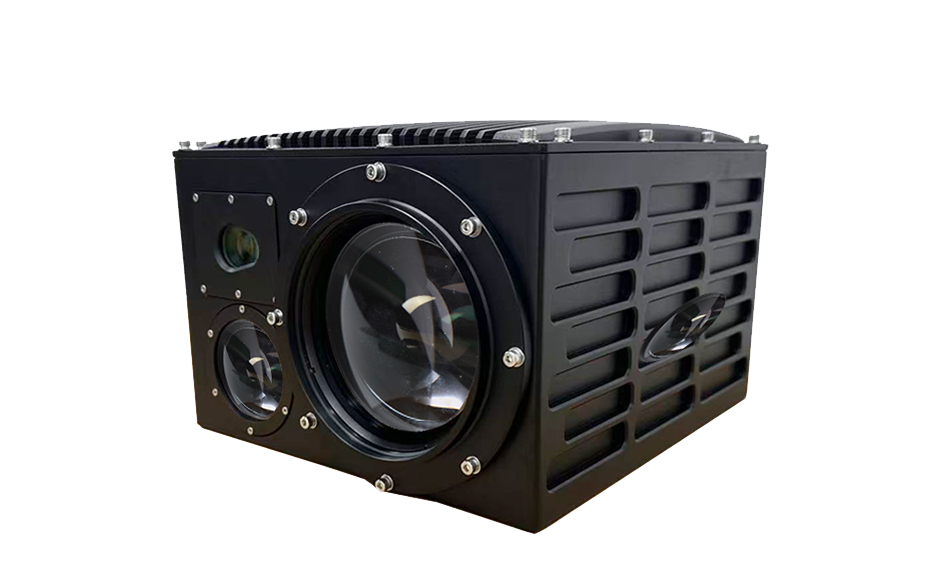
The system boasts a streamlined architecture tailored for a single wavelength band, minimizing redundant optical and electronic components. This design not only reduces production and operational costs by up to 30% compared to multi-spectral alternatives but also simplifies maintenance and deployment. Its compact size allows seamless integration with various platforms—from vehicle-mounted systems to fixed surveillance stations—without compromising performance. The reduced component count enhances reliability, ensuring consistent operation even in high-frequency usage scenarios, making it an ideal choice for budget-conscious businesses and large-scale deployments.
By concentrating optical resources on a specific spectral range, the system delivers high-resolution images with enhanced contrast and a signal-to-noise ratio (SNR) of ≥50dB. This precision ensures reliable detection, monitoring, and recognition of targets, even in scenarios with subtle visual differences. Whether capturing visible light for daytime surveillance or infrared for thermal detection, the system maintains clarity and detail, enabling accurate identification of objects, patterns, or anomalies. The optimized optical path minimizes distortion, ensuring that every pixel carries actionable information, which is critical for applications like industrial defect detection and traffic violation capture.
With smaller data volumes compared to multi-spectral systems, the Single-Spectral Imaging System supports real-time data processing and low-latency monitoring—ideal for time-sensitive applications. It can be customized to operate in specific bands, including visible light, near-infrared, or thermal infrared, adapting to diverse use cases from night vision to environmental monitoring. The system’s robust hardware and software integration ensure stable performance in complex environments, such as rain, fog, glare, or dust, with an operating temperature range of -20℃ to 65℃. This versatility allows it to seamlessly transition between indoor and outdoor settings, meeting the needs of industries ranging from transportation to scientific research.
Vehicle-mounted Single-Spectral Imaging Systems provide 360° high-resolution imaging around vehicles, enabling real-time monitoring of road conditions, lane positions, and potential obstacles. The system can detect lane departures within 0.5 seconds and identify obstacles at distances of up to 200 meters, significantly reducing collision risks for commercial fleets, emergency vehicles, and passenger cars. It also captures detailed traffic flow data, supporting intelligent transportation management and optimizing route planning for logistics companies.
The system excels at capturing critical moments for legal and operational purposes, monitoring blind spots around vehicles and recording traffic accidents, violations, or unexpected incidents with timestamped high-definition footage. Its real-time recording capability ensures that no detail is missed, while the high image quality provides irrefutable visual evidence for liability determination and post-event analysis. In law enforcement, it supports automated detection of speeding (accuracy ±5 km/h) and red-light running, reducing the need for manual monitoring and improving enforcement efficiency.
The system can be tailored to operate in visible light (400–700 nm), near-infrared (700–1100 nm), or thermal infrared (8–14 μm) bands, depending on your application needs. We work with you to identify the optimal wavelength range based on environmental conditions and target detection requirements.
Yes, the Single-Spectral Imaging System features standard communication protocols (RS485, Ethernet, and HDMI) and a flexible mounting design, allowing seamless integration with existing surveillance platforms, vehicle control systems, or industrial automation setups. No specialized technical expertise is required for basic installation, and our team provides comprehensive integration support.
The system is engineered for all-weather reliability, with an IP67 protection rating against dust and water immersion. It maintains stable performance in temperatures ranging from -20℃ to 65℃ and can penetrate light fog, rain, and dust, ensuring uninterrupted monitoring even in adverse conditions. An optional heating module is available for cold climates below -20℃.
With a rugged design and high-quality components, the system has an expected operational lifespan of 5–7 years under normal usage conditions. Regular maintenance (e.g., lens cleaning and firmware updates) can extend its service life, and we offer a 2-year warranty covering hardware defects.